TMJ Treatment for Jaw Pain and Clicking
Jaw pain, clicking or morning headaches, and not sure who to see? TMJ treatment in Seattle at SMILES ON 35th looks at your jaw joints, muscles and bite together. Dr. Rubecca Shahid starts with gentle, reversible care to help your jaw feel comfortable again.

You don't have to live with a sore jaw
Jaw pain often has a cause in how your joints, muscles and bite work together.
Maybe your jaw clicks when you eat, aches by the end of the day, or feels stiff when you wake. Maybe you've had headaches no one could explain, and you've been told to just live with it.
TMJ problems, also called temporomandibular disorder or TMD, usually come from how the jaw joints, the chewing muscles and the bite work together. When one is out of balance, the others strain to compensate. We look at all three, find where the strain is coming from, and start with gentle, reversible treatment. Many people feel real relief once the source is addressed.
See what your first visit includes
Relief you can feel day to day
TMJ therapy aims to calm the joint and muscles and remove what keeps overloading them. Here's what that can mean for your comfort, your sleep and your teeth.
Treating the source of the strain, not only the soreness, gives your jaw muscles and joints a chance to settle and stay comfortable. Everyday things like chewing and talking get easier.
As tension eases, many people find they can open wider, chew more easily and stop worrying about clicking or locking in the middle of a meal or a conversation. Meals feel normal again, without worry.
Tight jaw muscles are a common source of tension headaches. Relaxing them can mean fewer mornings that start with a headache. Your days start clearer.
Clenching and grinding wear and crack teeth. Calming them protects your teeth and any crowns or fillings you already have. Your restorations last longer too.
When jaw pain and clenching ease, many people sleep more soundly and wake without a stiff, aching jaw.
How we find the source
A careful evaluation comes before any treatment. These four steps show us what's really happening in your jaw, so treatment is targeted and gentle.


A digital map of your bite
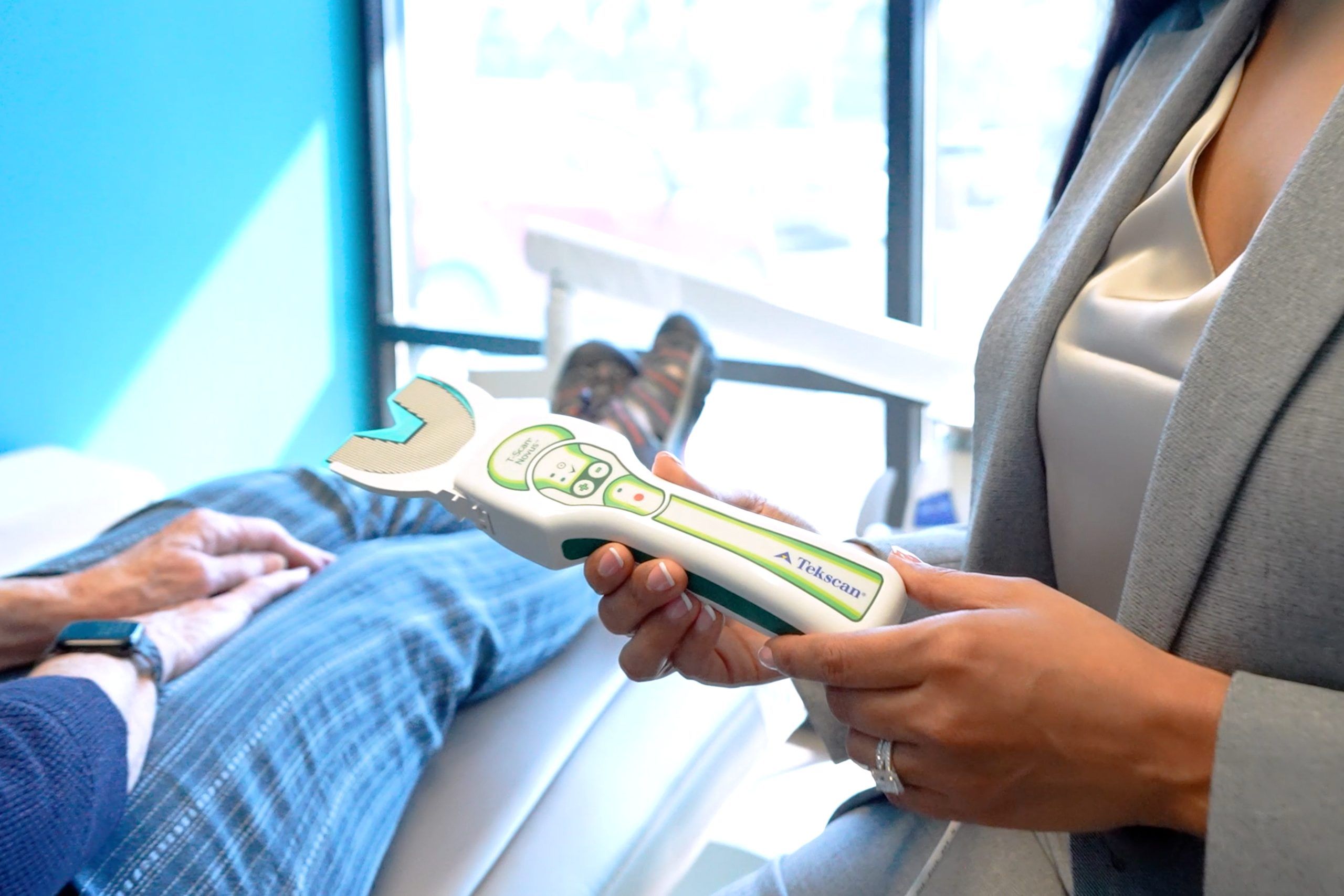
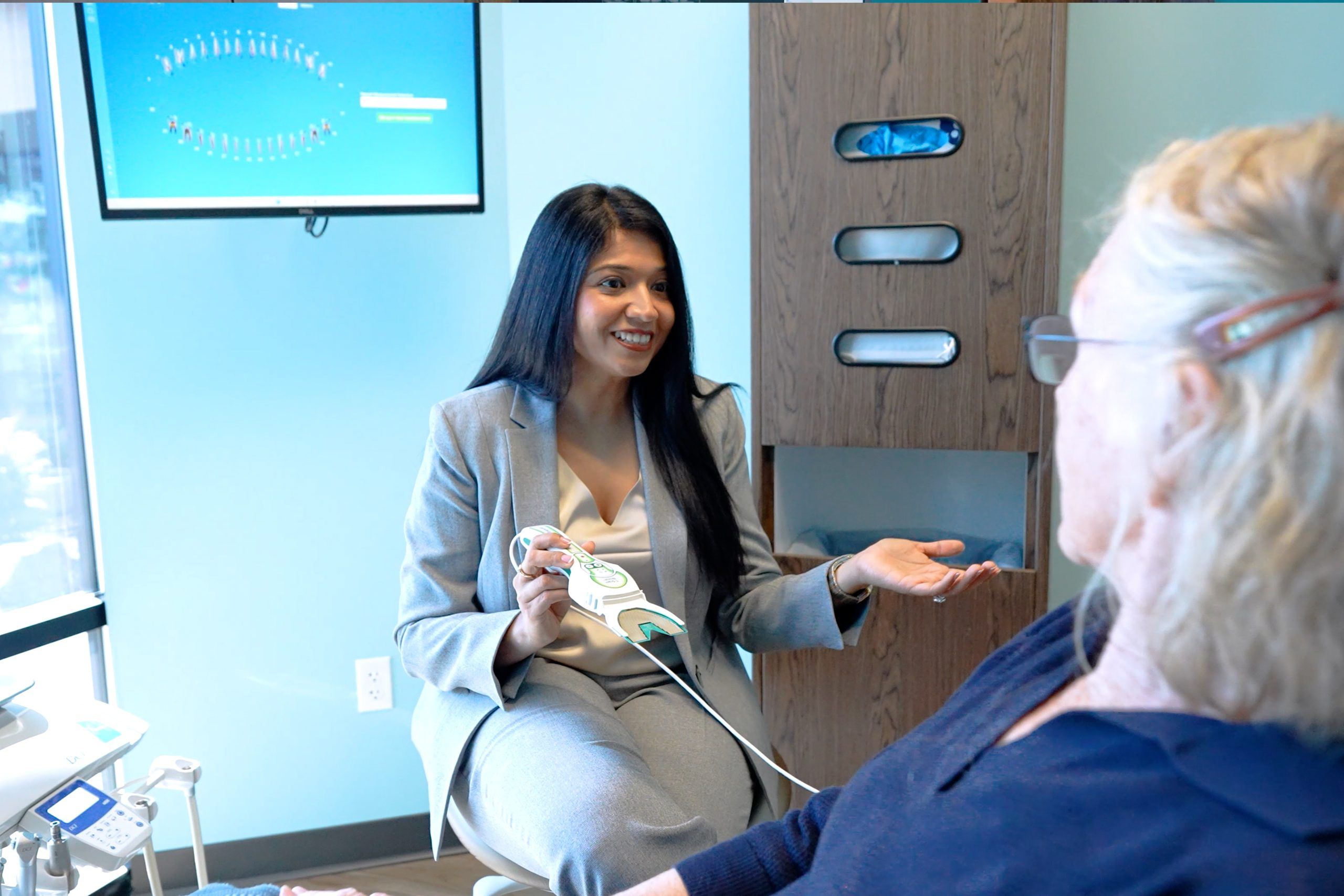
T-Scan digital bite analysis shows where your teeth meet too hard or too early, straining the jaw.


A mouthpiece that relaxes
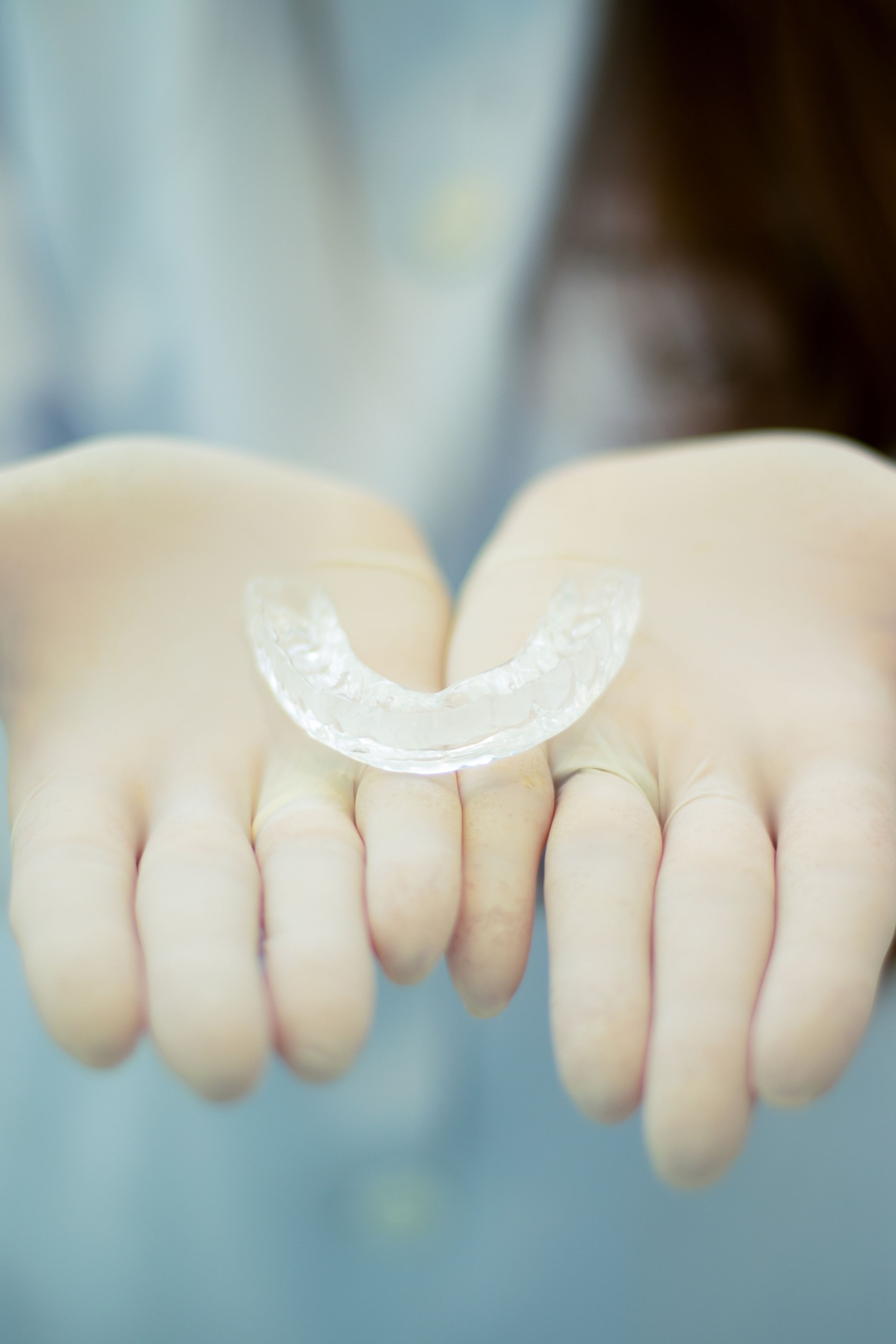
A Kois deprogrammer, a small mouthpiece, lets your jaw muscles relax so we can see how your joints truly fit.


A 3D view of the joints
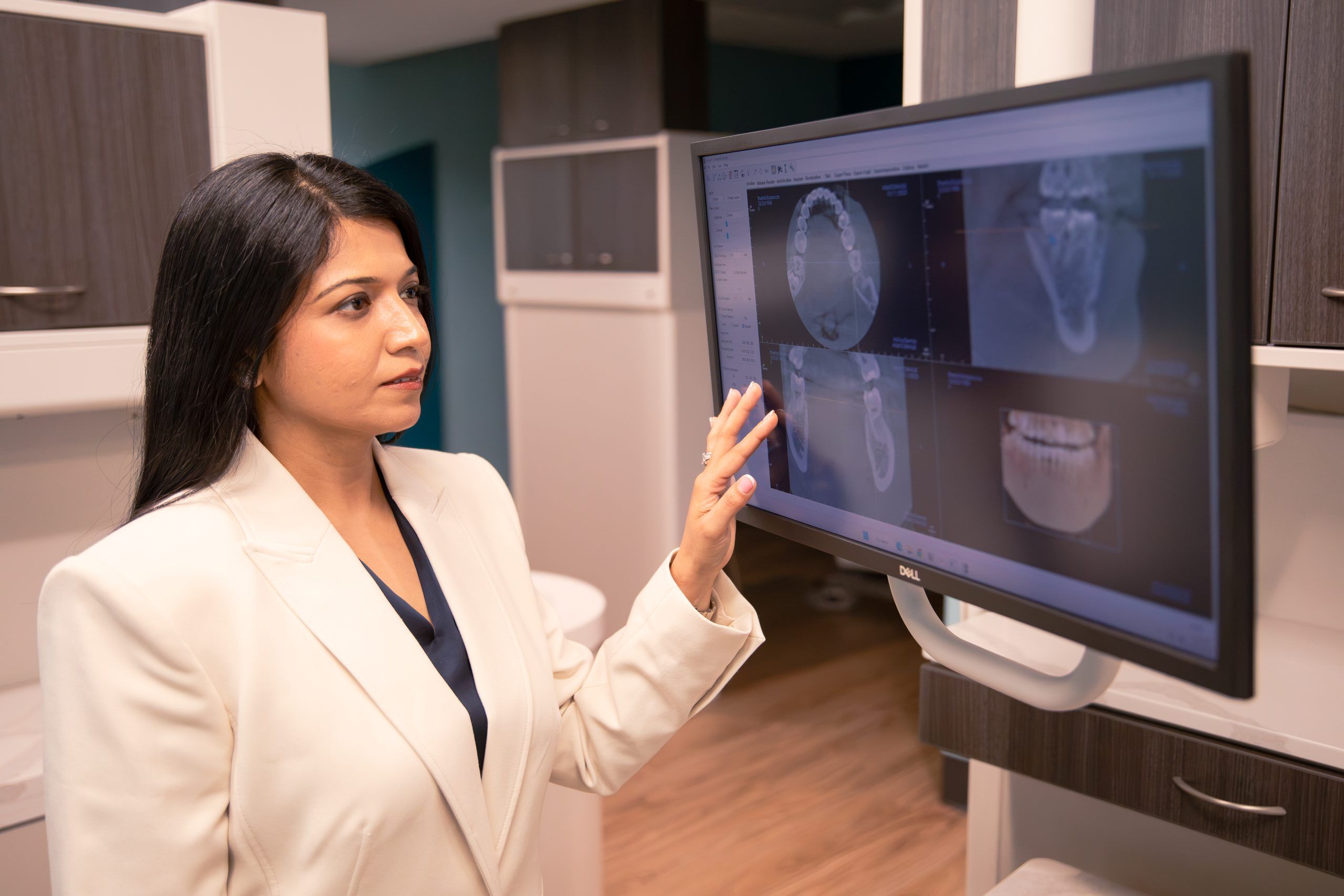
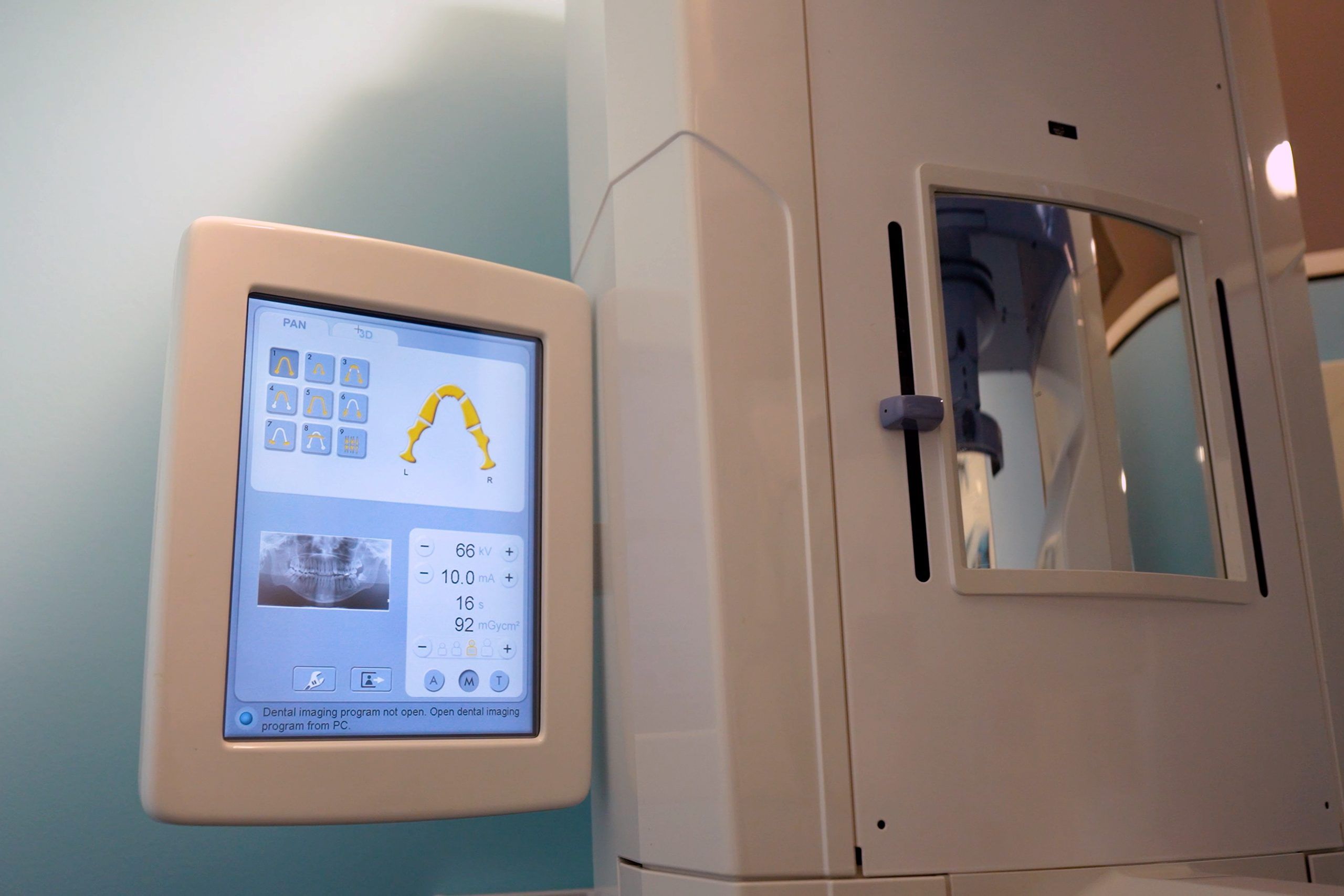
In-office CBCT imaging shows your jaw joints in 3D, which a standard X-ray can't.


Conservative care first
Treatment starts gentle and reversible, in line with National Institute of Dental and Craniofacial Research guidance, so nothing permanent happens first.
Who TMJ therapy helps
It helps people with jaw pain, clicking or popping, a jaw that locks or catches, morning headaches, or trouble opening wide.
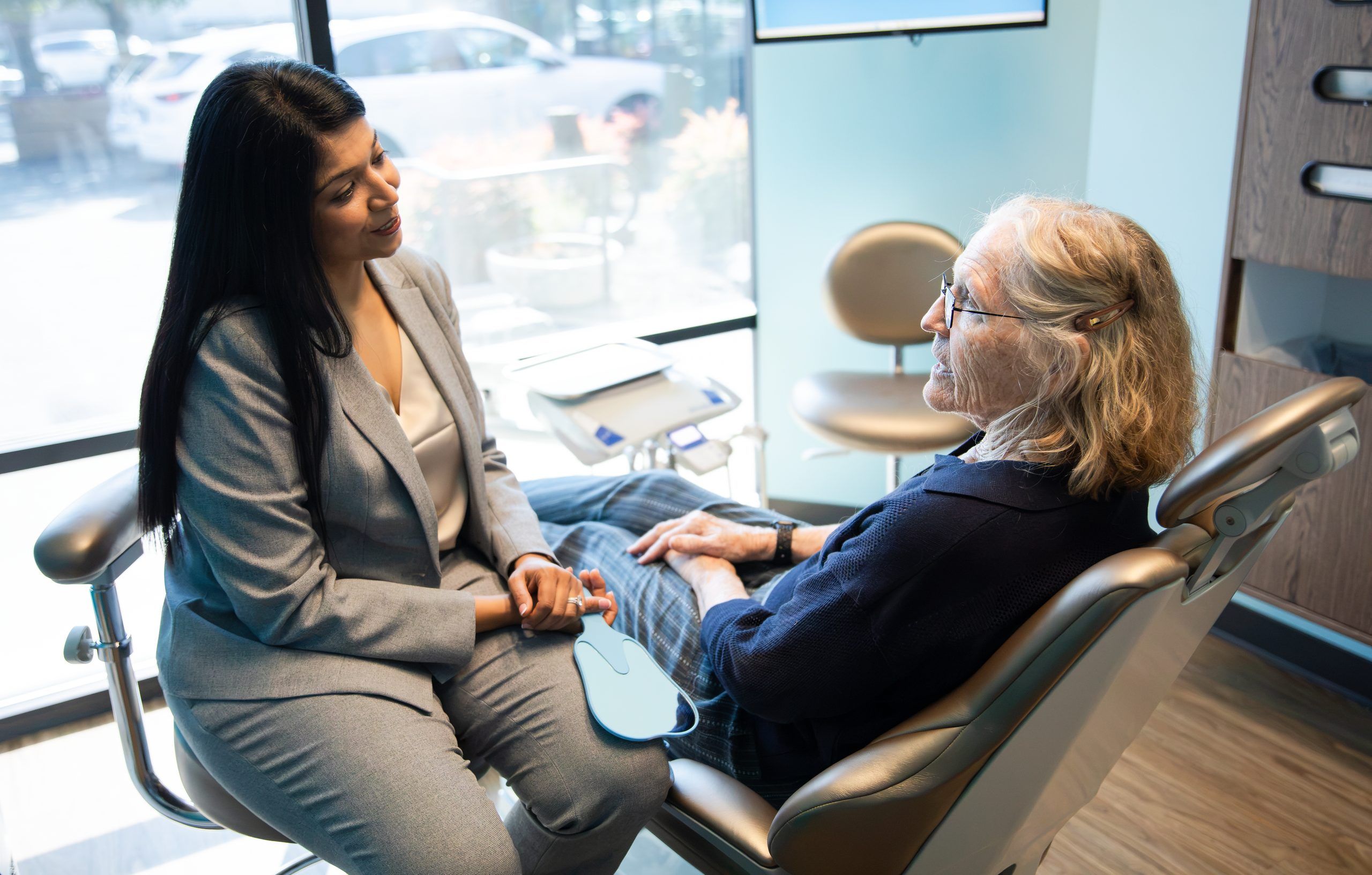
TMJ therapy looks at the joints, muscles and bite together, so you get a clear explanation of your pain and a gentle, step-by-step plan to feel better. When it helps, we coordinate with a physical therapist.
Book your TMJ evaluation
From evaluation to a comfortable jaw
Evaluation and imaging
We examine your jaw joints, muscles and bite, and take 3D images when needed to see the full picture.
Find the source
Dr. Shahid shows you what she found on screen and explains what's driving your symptoms in plain language.
Conservative therapy
Gentle, reversible care first, such as a custom guard, bite adjustments and muscle relief techniques, explained step by step.
Review and next steps
We check how your jaw is responding and adjust your plan, coordinating with a physical therapist when needed.

A gentle dentist who champions your lifelong health
Dr. Rubecca Shahid owns SMILES ON 35th in Wedgwood and leads your care herself, gently and with time to listen. Her own health struggles, then her mother's diagnosis, left her asking what the point of all our hard work is without the health to enjoy it. Longevity dentistry is her answer: care that protects your mouth and your health, so you can enjoy the life you're building.
Her care is conservative: she saves natural tooth wherever she can, chooses the least invasive option that will last, and recommends only treatment that truly helps you. When a tooth needs more, she shows you why. She is empathetic and thorough, with clear choices and no pressure.
She champions your long-term health and has trained to deliver on it. A Kois Center graduate, one of about 1,200 dentists worldwide, she completes nearly eight times the continuing education Washington requires every year. Her training spans prevention, function and sleep, restoration and smile design, so one dentist who knows you can plan each stage, close to home.
- Advanced training in diagnosis, treatment planning and bite stabilization from the Kois Center
- Biomimetic Dentistry Practitioner with mastership from the Alleman Center
- Member of American Academy of Dental Sleep Medicine
- Member of American Academy of Cosmetic Dentistry
I came to longevity dentistry through my own health journey, wanting to understand why problems start and how to prevent them. What I needed then is what I want for you now: more good years, a smile you feel good about, and a dentist who listens.
The training behind our TMJ care
Jaw problems need someone who understands how the whole system works together. These are the specifics behind our TMJ care.

Trained in jaw function
Dr. Shahid is a Kois Center graduate, trained in how the jaw joints, muscles and bite work together.

Bite measured, not guessed
T-Scan measures the timing and force of every bite contact, so adjustments are precise.

3D imaging in our office
CBCT shows your jaw joints at your visit, with no separate imaging appointment.

Gentle, reversible care first
Treatment starts with the least invasive options, so you feel better without permanent changes.
Hear it from our patients
Before you book, it helps to hear from people who have been in the chair. Read what patients say about their visits and treatment at SMILES ON 35th.
Read more reviewson Google (opens in a new tab)I'm so glad I finally found the best doctor to care for me and my family. I saw Dr. Rubecca Shahid for a crown after a root canal, and it truly felt like a spa session: I had a weighted blanket, eye mask, hand mask and heated neck pillow for the whole treatment. Clark, Dr. Rubecca's assistant, was the best. He was super sweet and I loved chatting with him. I didn't want anesthesia for the procedure, and they accommodated my needs and made sure I had the most pain-free experience possible. That says a lot about how good they are at what they do.
TMJ questions
TMJ pain usually comes from strain in the jaw joints and chewing muscles, often linked to clenching, grinding, an uneven bite, stress or injury. Finding which of these is at work guides treatment and helps relief last.
Yes. A dentist trained in the bite and jaw function can evaluate and treat many TMJ problems, and coordinate with a physical therapist or other provider when a case needs it.
Sometimes. Mild jaw pain can settle with rest and soft foods. If pain, clicking or headaches keep returning, an evaluation can find what's keeping the jaw strained. Early care usually means simpler, gentler treatment.
TMJ therapy is treatment that calms the jaw joints and muscles and removes what overloads them. It usually starts with reversible steps, such as a custom guard, bite adjustments and muscle relief.
Often, yes. Grinding, clenching and an uneven bite can all overload the jaw joints and muscles. Checking your bite and wear patterns shows whether they're part of the picture.
Reviewed by Dr. Rubecca Shahid Updated
More ways to protect your jaw
Grinding at night, jaw muscles that stay tight, or a bite that feels off? These pages explain the care that often works alongside TMJ therapy.