Gentle Tooth Extraction With a Plan for What's Next
Been told a tooth can't be saved? Tooth extraction in Seattle at SMILES ON 35th is gentle and unhurried. Dr. Rubecca Shahid plans what replaces the tooth before it comes out, and protects the bone so your options stay open.
Worried about the pain, and the gap?
Both are reasonable concerns, and we plan for both before anything happens.
Hearing that a tooth needs to come out is unsettling. You might be bracing for pain, or wondering what you'll do about the space it leaves when you smile or chew.
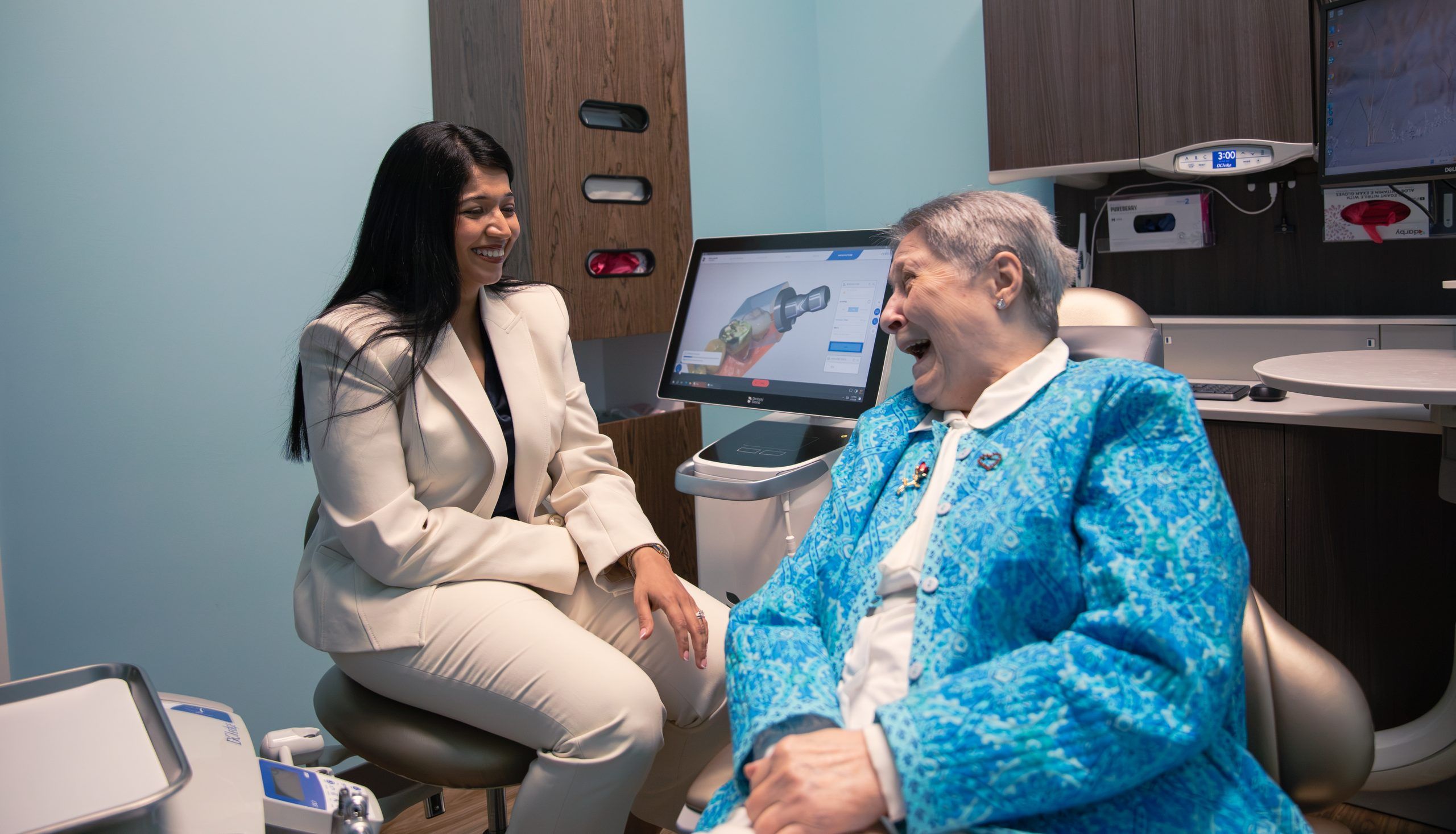
We only remove a tooth when it truly can't be saved, and we look at saving it first. When extraction is the right choice, we numb the area thoroughly, offer oral sedation if you're anxious, and work gently. Before the tooth comes out, we talk through how it will be replaced, and we can protect the bone so a future implant has a strong foundation. You'll leave knowing exactly what comes next.
See what your first visit includes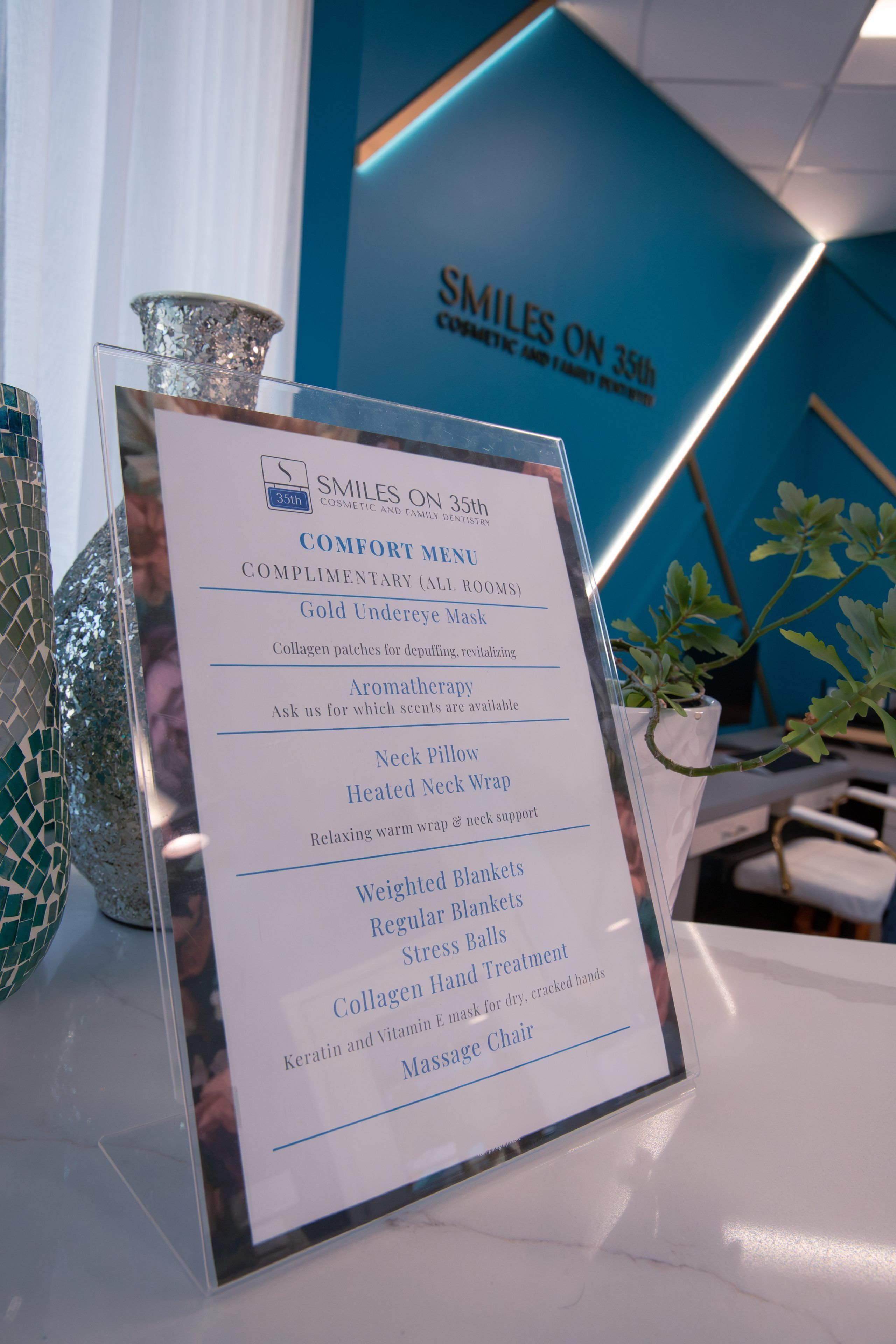
Relief now, and a plan for later
A well-planned extraction ends the immediate problem and protects your options for the future. Here's what you can expect when your tooth is removed at SMILES ON 35th.
Removing a badly damaged or infected tooth stops the pain and keeps infection from spreading to the bone and neighboring teeth. Most people feel better within days.
Thorough numbing, a careful technique and oral sedation when you want it keep the visit as comfortable as possible. You're never rushed, and you can ask us to pause at any time. Ask us to pause anytime.
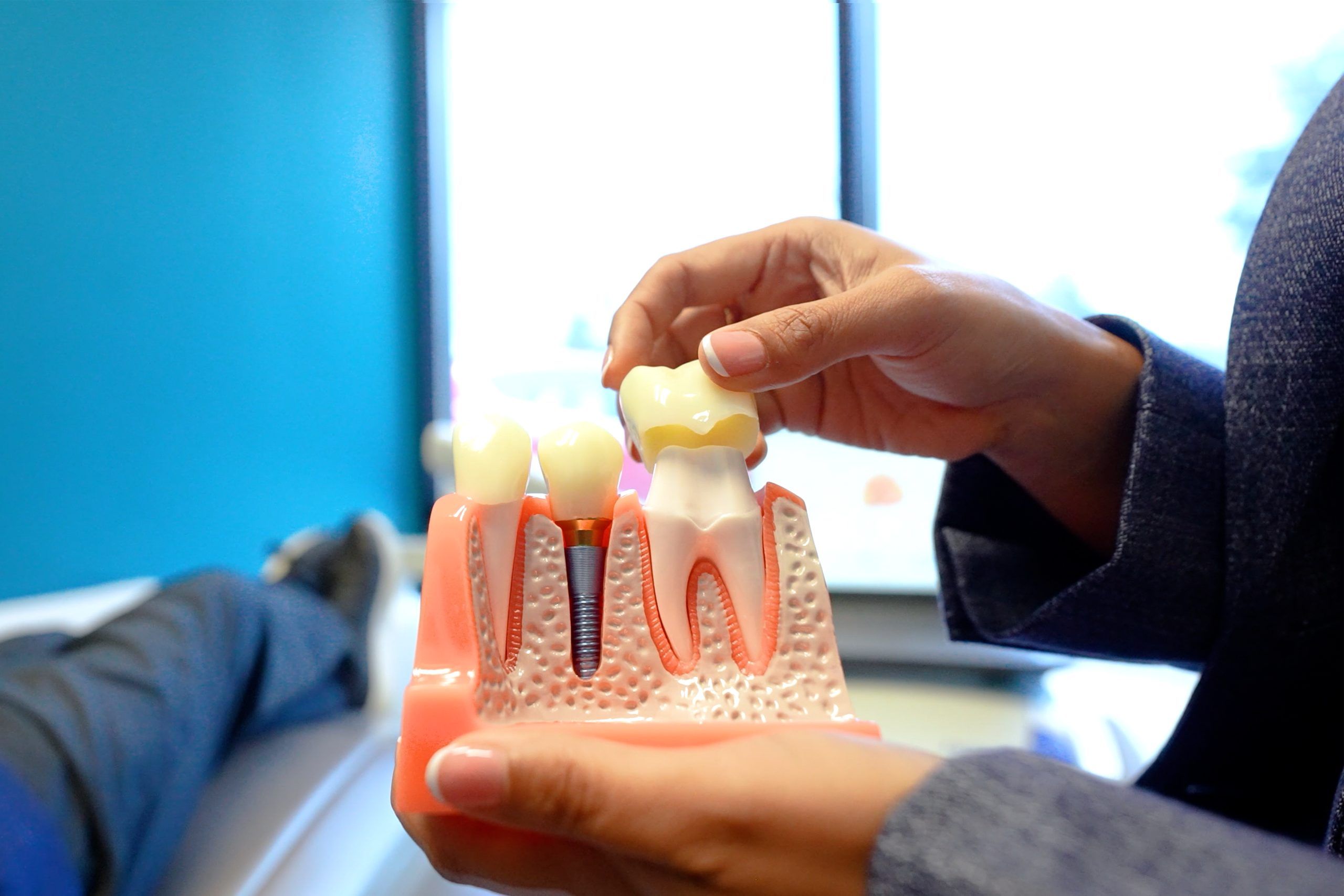
Socket preservation places a bone graft where the tooth was, so the bone doesn't shrink and an implant stays possible. Your future options stay open.
You'll know how the gap will be filled, whether with an implant, a bridge or a denture, before your extraction day. There are no surprises about what comes next or what it costs.
Our comfort menu, from heated neck wraps to weighted blankets, helps you relax before and during your visit.
How we keep extractions gentle
A tooth extraction removes a tooth that can't be repaired. Careful planning keeps it comfortable and protects what comes next.


3D imaging first
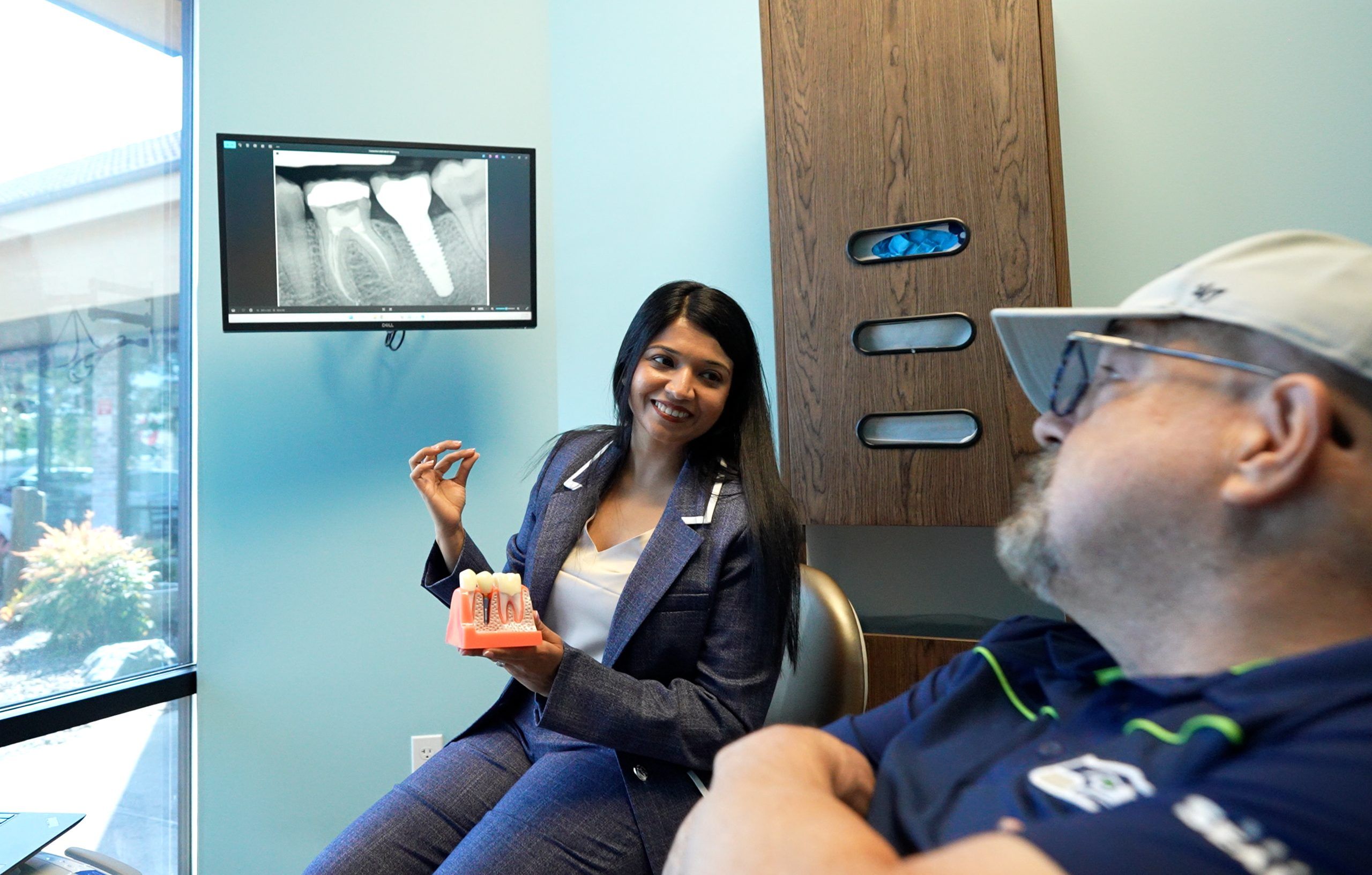
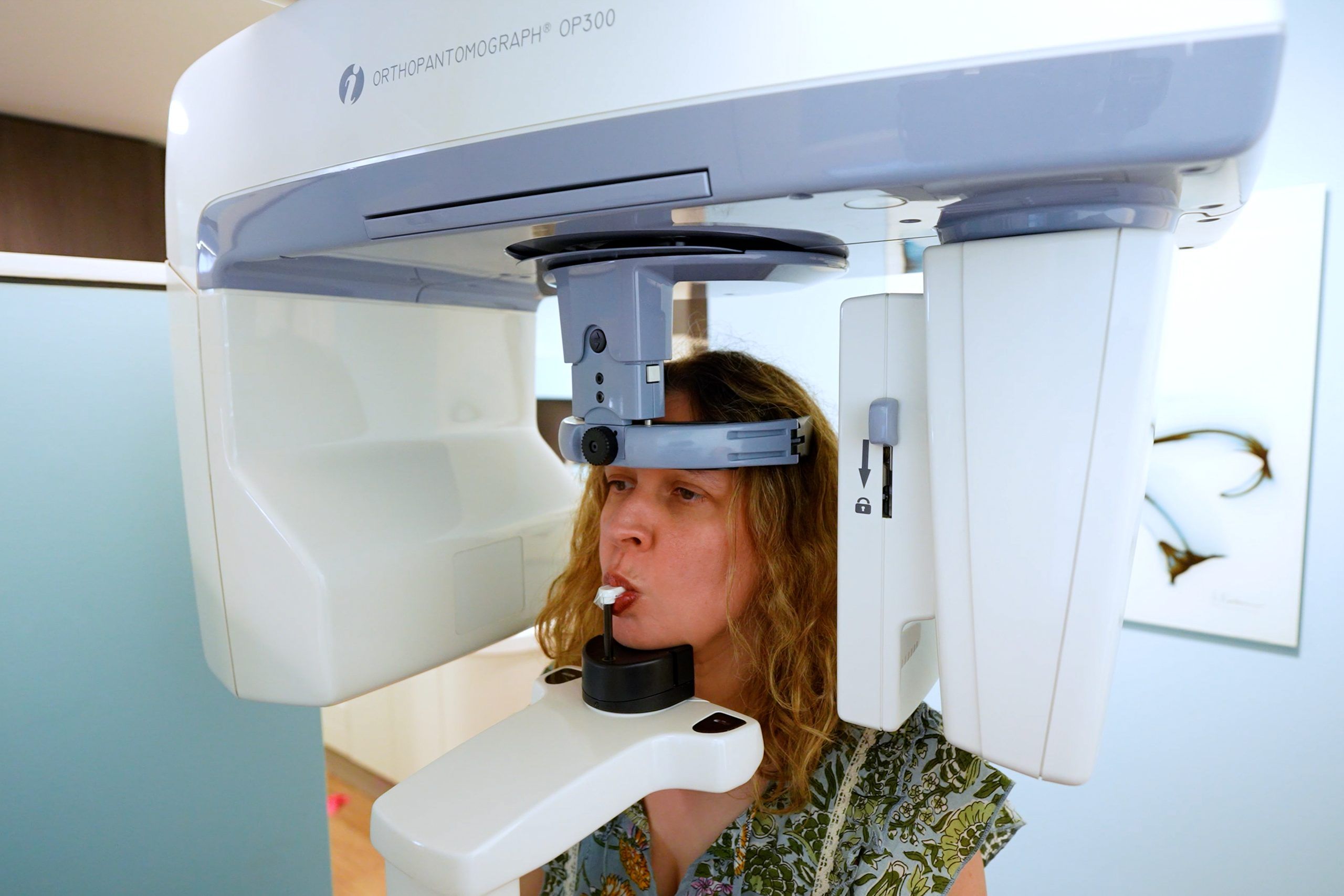
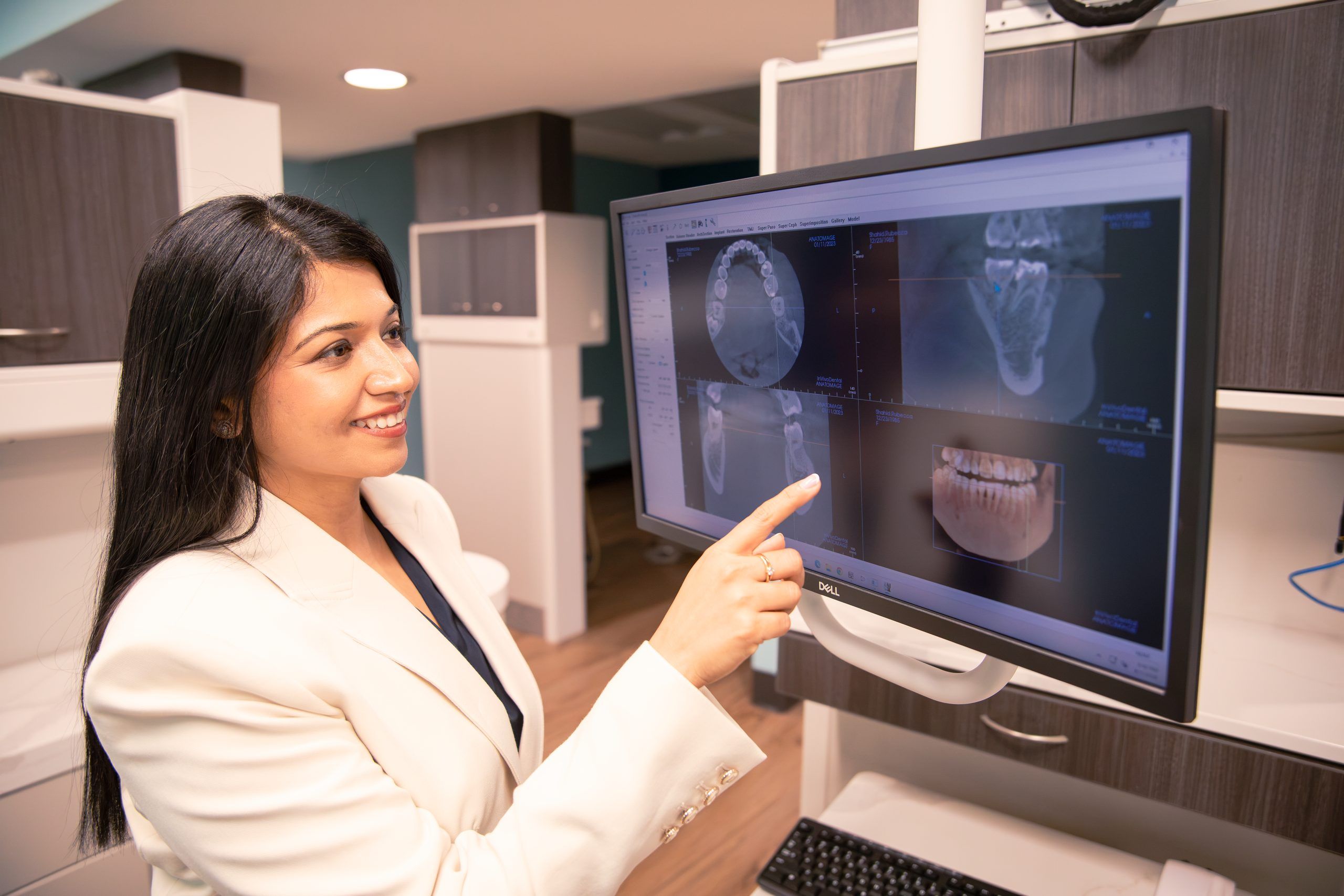
In-office CBCT imaging shows the roots, nerves and bone in 3D before a surgical extraction, so the extraction is planned precisely.


Gentle technique
Local anesthesia numbs the area fully, and we remove the tooth carefully to protect the surrounding bone and gums. Healing goes smoother.


Oral sedation
If dental work makes you anxious, oral sedation helps you feel calm and relaxed throughout the visit.


Socket preservation
A bone graft placed in the empty socket keeps the bone strong for a future implant, and it heals well.
When an extraction makes sense
An extraction is for a tooth that's badly broken, deeply decayed, infected, or loose from advanced gum disease, when it can't be saved.
A gentle extraction, with your replacement planned before the tooth comes out, ends pain and infection and keeps your options open. If you're in severe pain right now, call us for a same-day emergency visit.
Book your comprehensive exam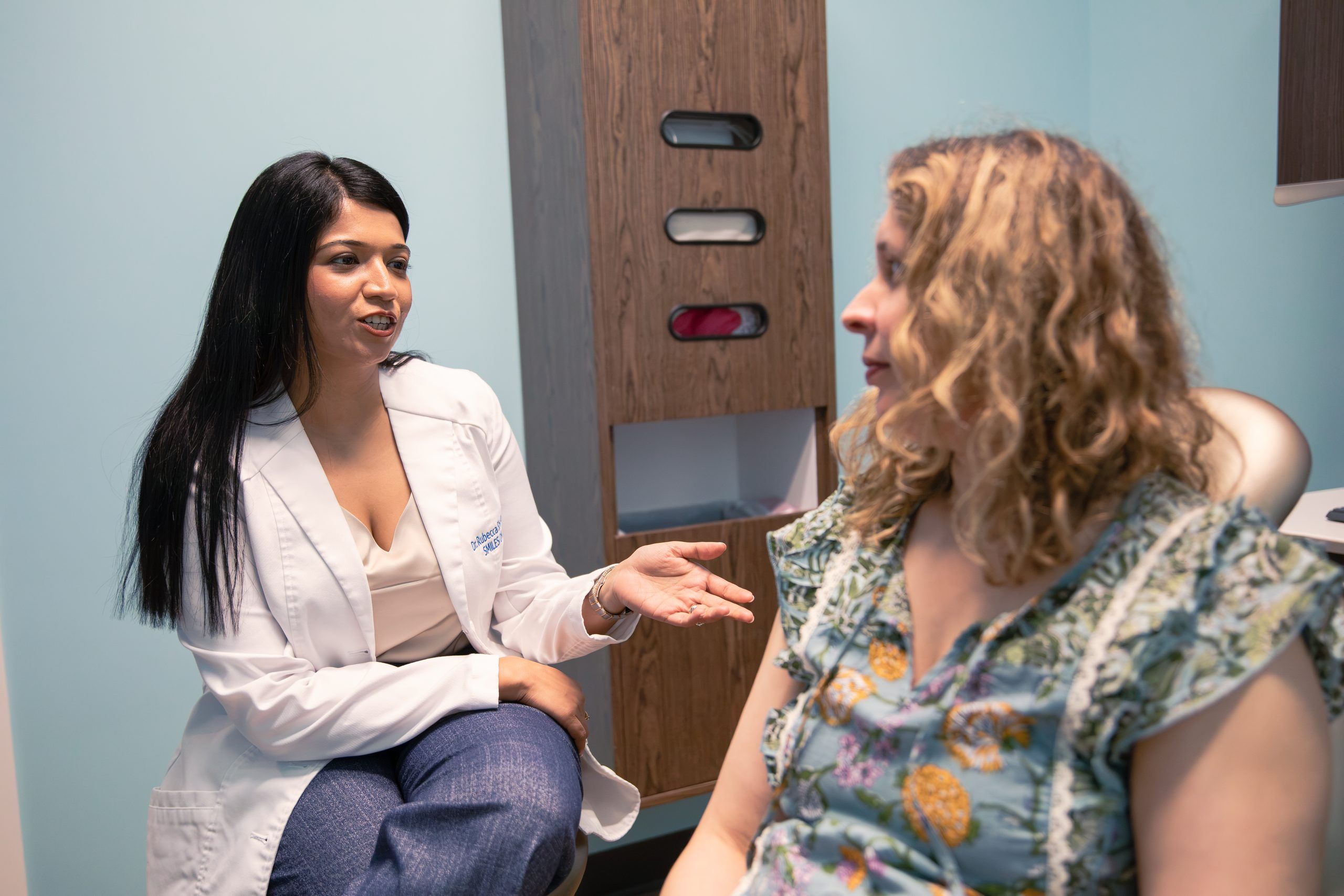
From exam to healing
Exam and imaging
We examine the tooth and take X-rays or 3D images to see the roots, nerves and bone.
Plan the replacement
We discuss how the tooth will be replaced and whether to preserve the socket, with costs up front.
The extraction
We numb the area, offer oral sedation if you'd like it, and remove the tooth gently at a calm, unhurried pace.
Aftercare and healing
You go home with clear aftercare instructions, and we check your healing at a follow-up visit.

A gentle dentist who champions your lifelong health
Dr. Rubecca Shahid owns SMILES ON 35th in Wedgwood and leads your care herself, gently and with time to listen. Her own health struggles, then her mother's diagnosis, left her asking what the point of all our hard work is without the health to enjoy it. Longevity dentistry is her answer: care that protects your mouth and your health, so you can enjoy the life you're building.
Her care is conservative: she saves natural tooth wherever she can, chooses the least invasive option that will last, and recommends only treatment that truly helps you. When a tooth needs more, she shows you why. She is empathetic and thorough, with clear choices and no pressure.
She champions your long-term health and has trained to deliver on it. A Kois Center graduate, one of about 1,200 dentists worldwide, she completes nearly eight times the continuing education Washington requires every year. Her training spans prevention, function and sleep, restoration and smile design, so one dentist who knows you can plan each stage, close to home.
- Advanced training in diagnosis, treatment planning and bite stabilization from the Kois Center
- Biomimetic Dentistry Practitioner with mastership from the Alleman Center
- Member of American Academy of Dental Sleep Medicine
- Member of American Academy of Cosmetic Dentistry
I came to longevity dentistry through my own health journey, wanting to understand why problems start and how to prevent them. What I needed then is what I want for you now: more good years, a smile you feel good about, and a dentist who listens.
Extractions done with the future in mind
An extraction is one step in a bigger plan for your mouth. These are the reasons ours are done gently, with what comes next already in mind.

Trained in surgical extractions
Dr. Shahid is trained in oral surgery and surgical extractions, including teeth with complex roots.

3D imaging in our office
CBCT imaging shows roots, nerves and bone before surgery, so there are fewer surprises and a gentler extraction.

Replacement planned first
Implants are planned and placed here too, so the next step happens under one roof.

Gentle, unhurried care
Thorough numbing, oral sedation if you'd like it and a calm pace keep you comfortable.
Hear it from our patients
Before you book, it helps to hear from people who have been in the chair. Read what patients say about their visits and treatment at SMILES ON 35th.
Read more reviewson Google (opens in a new tab)If you have anxiety about seeing a dentist, this is the place for you. I've been with this practice for three years and have had a great experience every time. The staff are really kind and patient with me and my anxiety, and they explain each procedure so there are no surprises. Just a great place for dental care. Thank you!
Tooth extraction questions
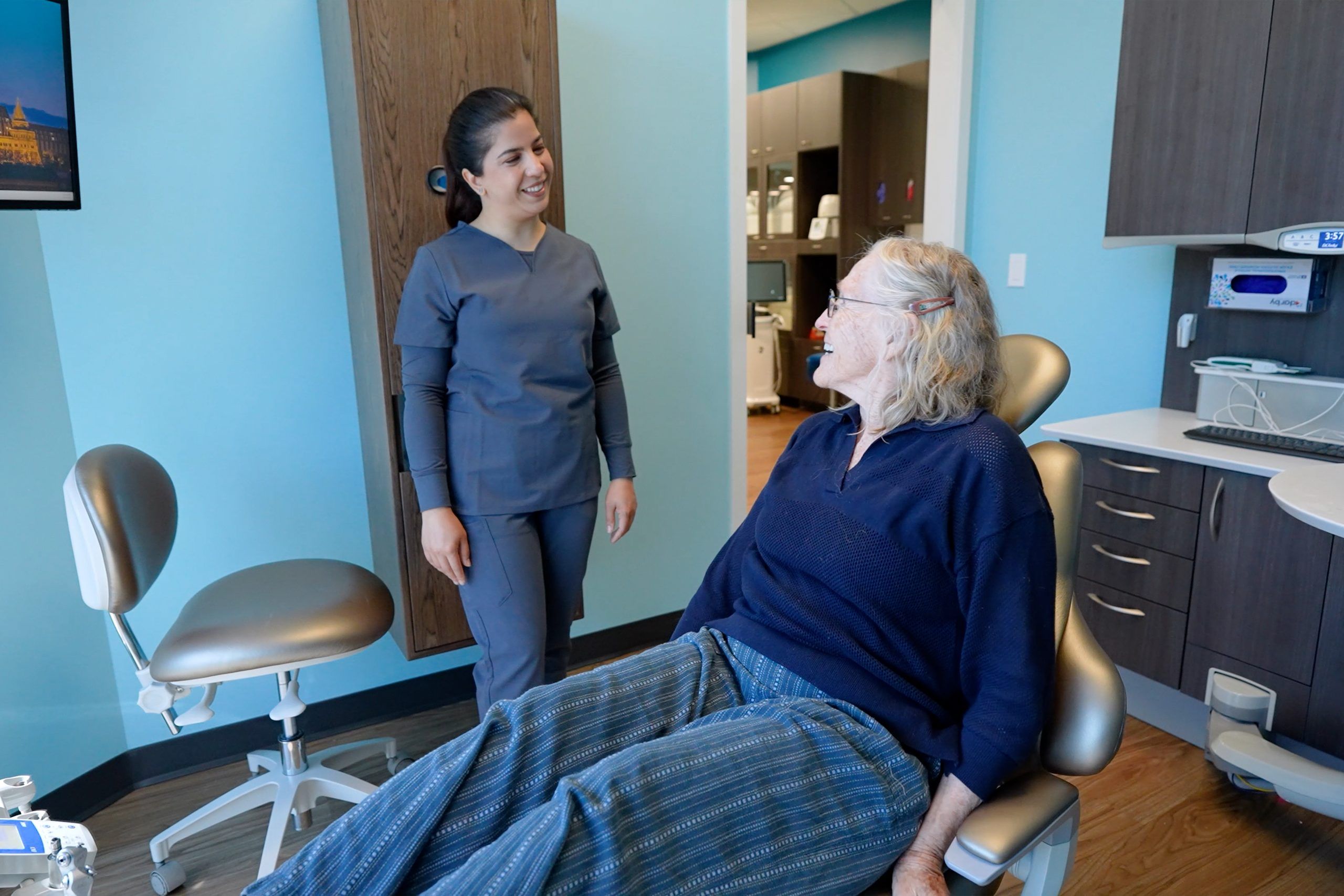
You shouldn't feel pain during the extraction, because the area is fully numbed. You may feel pressure. Some soreness for a few days afterward is normal, and oral sedation is available if you're anxious.
If the tooth can be saved, keeping it is usually the better choice. When a tooth is cracked below the gumline or too damaged to restore, extraction may be the better option. We'll show you what we see and explain both paths.
Rest, keep pressure on the gauze as directed, and avoid straws, smoking and hard foods for the first few days. This protects the blood clot that helps the socket heal and prevents a painful dry socket. We'll give you full instructions.
Usually, yes. A gap lets nearby teeth shift and the bone shrink over time. An implant, bridge or denture prevents that, and we'll help you choose the one that suits you.
Socket preservation is a bone graft placed where the tooth was removed. It keeps the bone from shrinking, so an implant can be placed later.
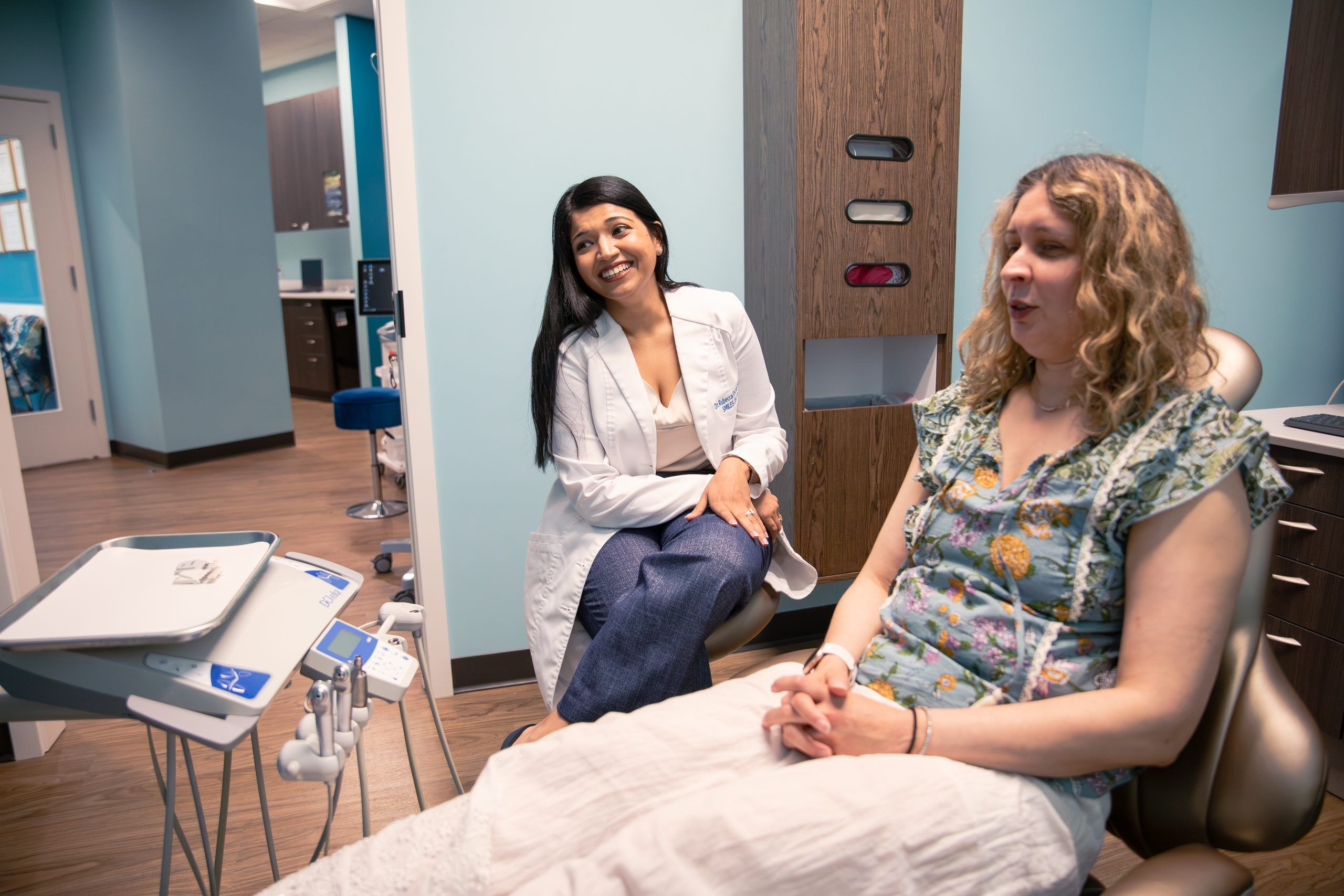
Reviewed by Dr. Rubecca Shahid Updated
What comes after an extraction
Planning how to replace your tooth, or need help with a painful tooth today? These pages explain your next steps and how each option works.