Botox for TMJ to Relax a Tight Jaw
When your jaw muscles stay tight and sore, Botox can help them let go. Dr. Rubecca Shahid offers Botox for TMJ in Seattle at SMILES ON 35th as part of a conservative plan that also checks your bite and grinding, so relief lasts and your teeth stay protected.
Still clenching, even with a guard?
Overworked jaw muscles can keep the cycle of pain and tension going.
Maybe you wear a night guard faithfully and still wake with a tight jaw. Maybe tension headaches start at your temples most mornings, or your jaw aches after a stressful day.
The muscles that close your jaw are some of the strongest in the body. When they're overworked, they keep clenching, which keeps the soreness going. Botox relaxes those muscles so they can't clench as hard, giving them a real chance to rest. It isn't a cure on its own, so we also look at your bite and grinding to treat what's driving the tension.
See what your first visit includes
Less tension, more comfort
Botox for jaw clenching works on the muscles themselves, giving them a break from constant tension. Here's what that can mean day to day.
Small, targeted injections ease overworked jaw muscles, which can reduce clenching, soreness and that tight, tired feeling by the end of the day.
When the muscles at your temples and jaw relax, many people notice fewer headaches that start there.
Softer clenching means less pressure on your teeth, crowns and fillings, which helps protect them from wear and cracks.
With the muscles calmer, a guard, bite adjustments and home habits have a better chance to work, which is how relief lasts beyond the injections.
Relaxed muscles clench less while you sleep, so many people wake with less jaw tension and fewer morning headaches.
How we use Botox for jaw pain
Botox for TMJ is a muscle-relaxing treatment for the chewing muscles. It works best inside a careful plan, and here's how we provide it.


Evaluation first
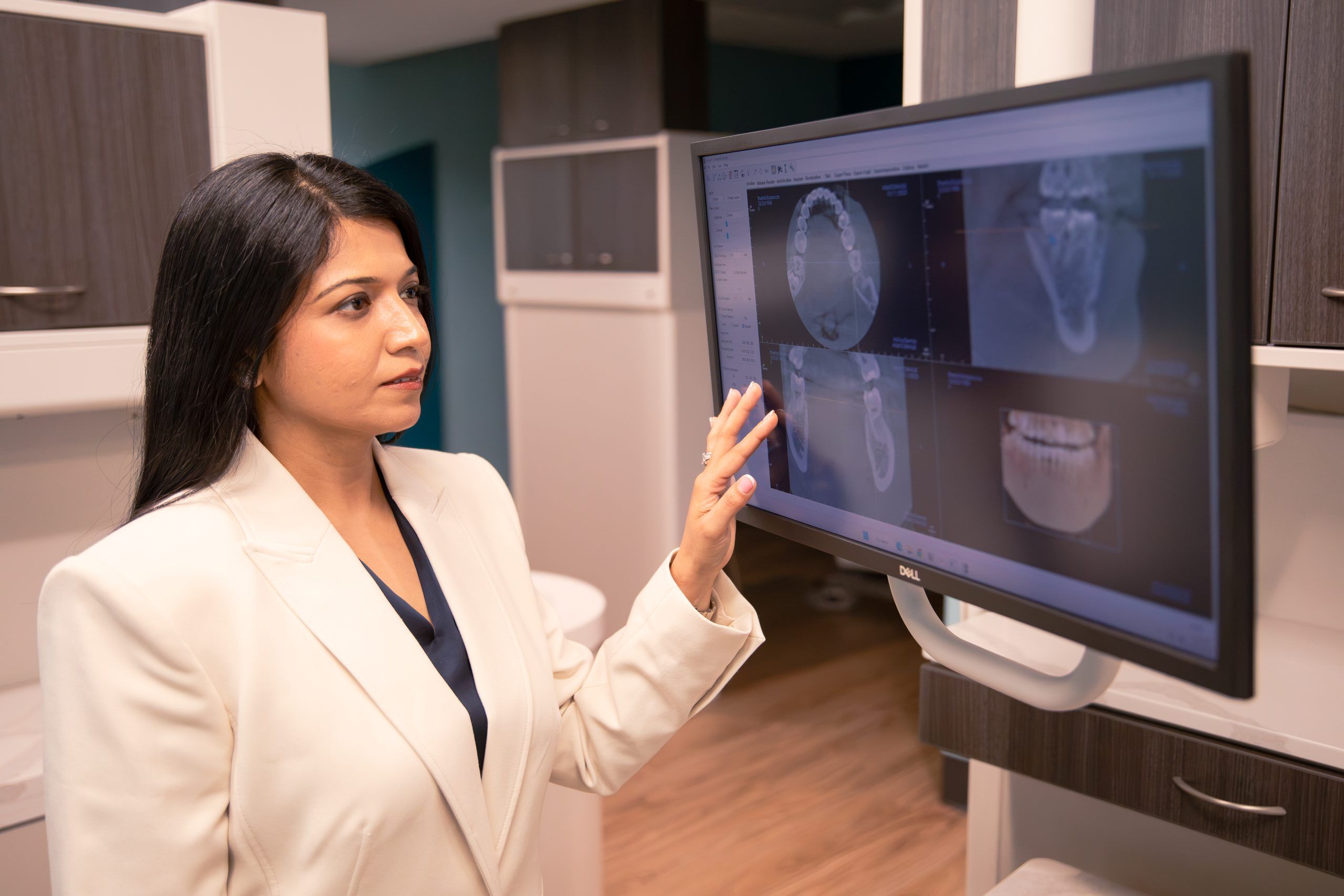
We check your jaw joints, muscles and bite before recommending Botox, so it's the right tool for your pain and fits your plan.


Targeted treatment
Small doses go into the masseter and temporalis, the main muscles that close your jaw, using fine needles.


Follow-up
We check how you've responded a few weeks later and plan any repeat treatment around your results.


Combined care
Botox works alongside night guards and bite care, so the cause is treated along with the muscles.
Who Botox for TMJ helps
It can help people who clench, have jaw-muscle pain or wake with tension headaches, especially when a guard alone hasn't brought enough relief.
For many people, it's a quick, comfortable way to give tired jaw muscles a break. We review your health history first, since Botox isn't advised during pregnancy or breastfeeding, or with certain nerve or muscle conditions.
Book your TMJ evaluation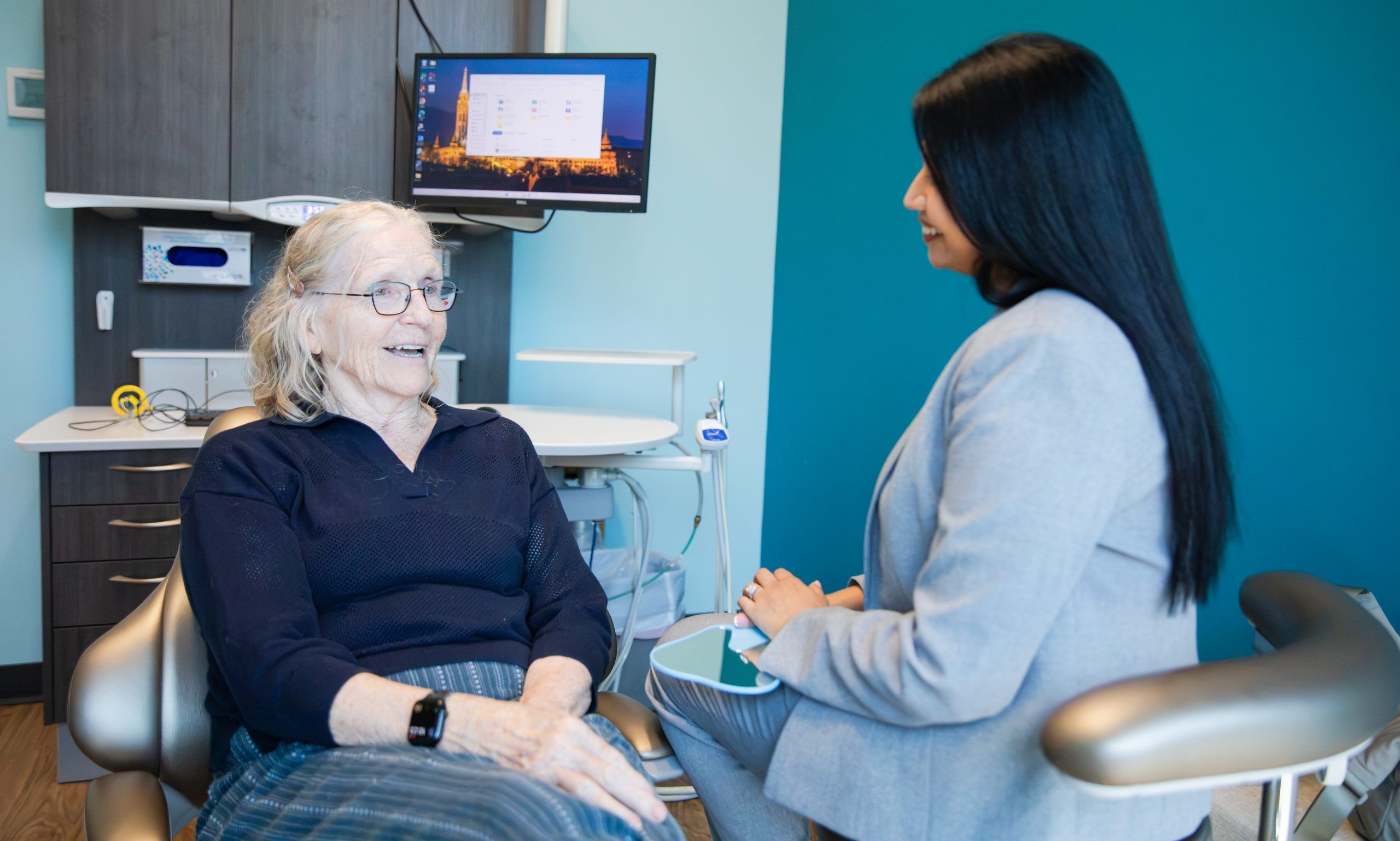

From evaluation to relief
Evaluation
We examine your jaw, muscles and bite and review your health history and medications.
A short treatment visit
A few quick injections into the jaw muscles in a short visit, with little or no downtime afterward, so you can return to your day.
Give it time
Most people start to feel the effect within one to two weeks as the muscles relax.
Follow-up and repeat
Relief typically lasts about three to four months, and we plan repeat treatment if it helps, along with your guard and bite care.
A gentle dentist who champions your lifelong health
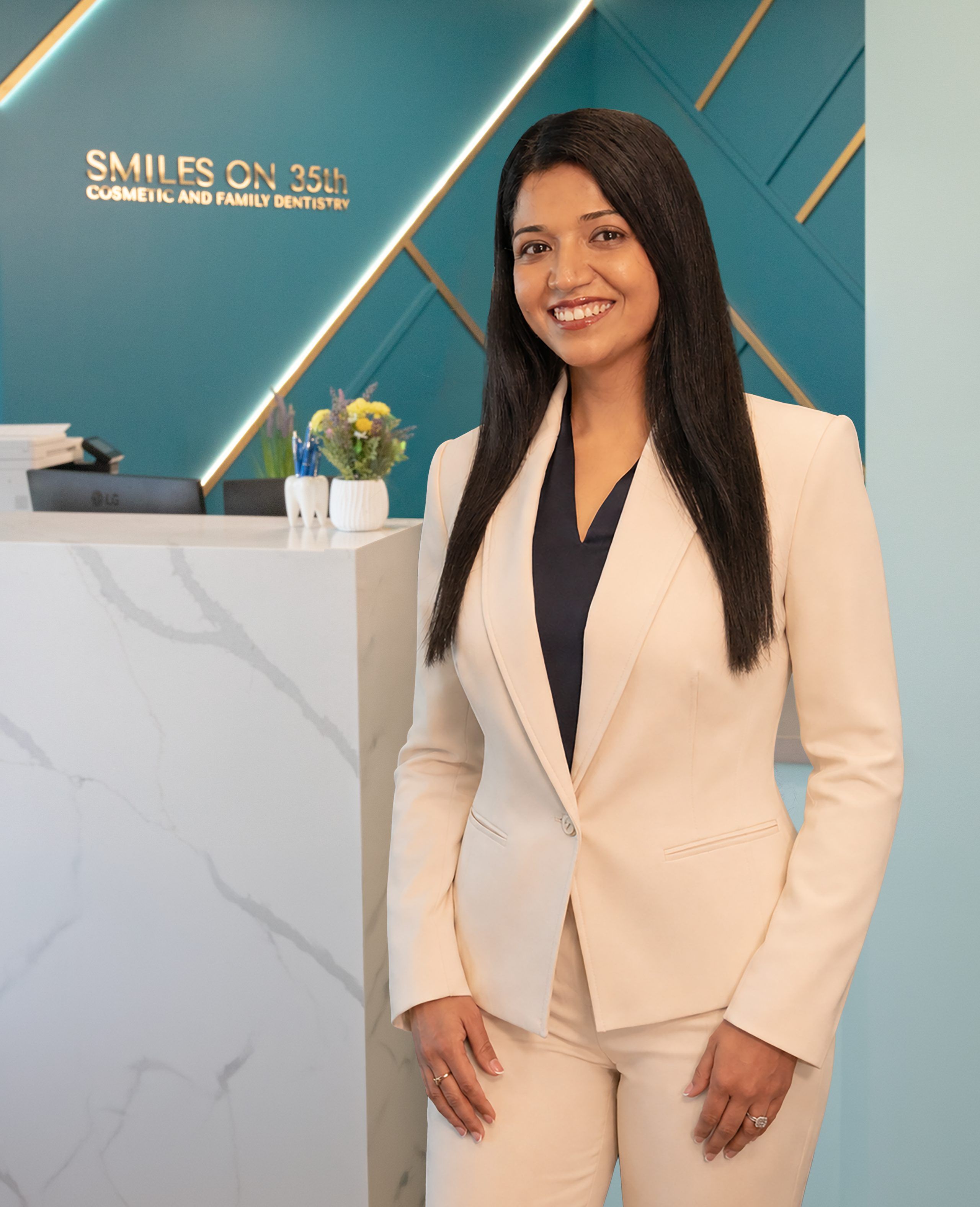
Dr. Rubecca Shahid owns SMILES ON 35th in Wedgwood and leads your care herself, gently and with time to listen. Her own health struggles, then her mother's diagnosis, left her asking what the point of all our hard work is without the health to enjoy it. Longevity dentistry is her answer: care that protects your mouth and your health, so you can enjoy the life you're building.
Her care is conservative: she saves natural tooth wherever she can, chooses the least invasive option that will last, and recommends only treatment that truly helps you. When a tooth needs more, she shows you why. She is empathetic and thorough, with clear choices and no pressure.
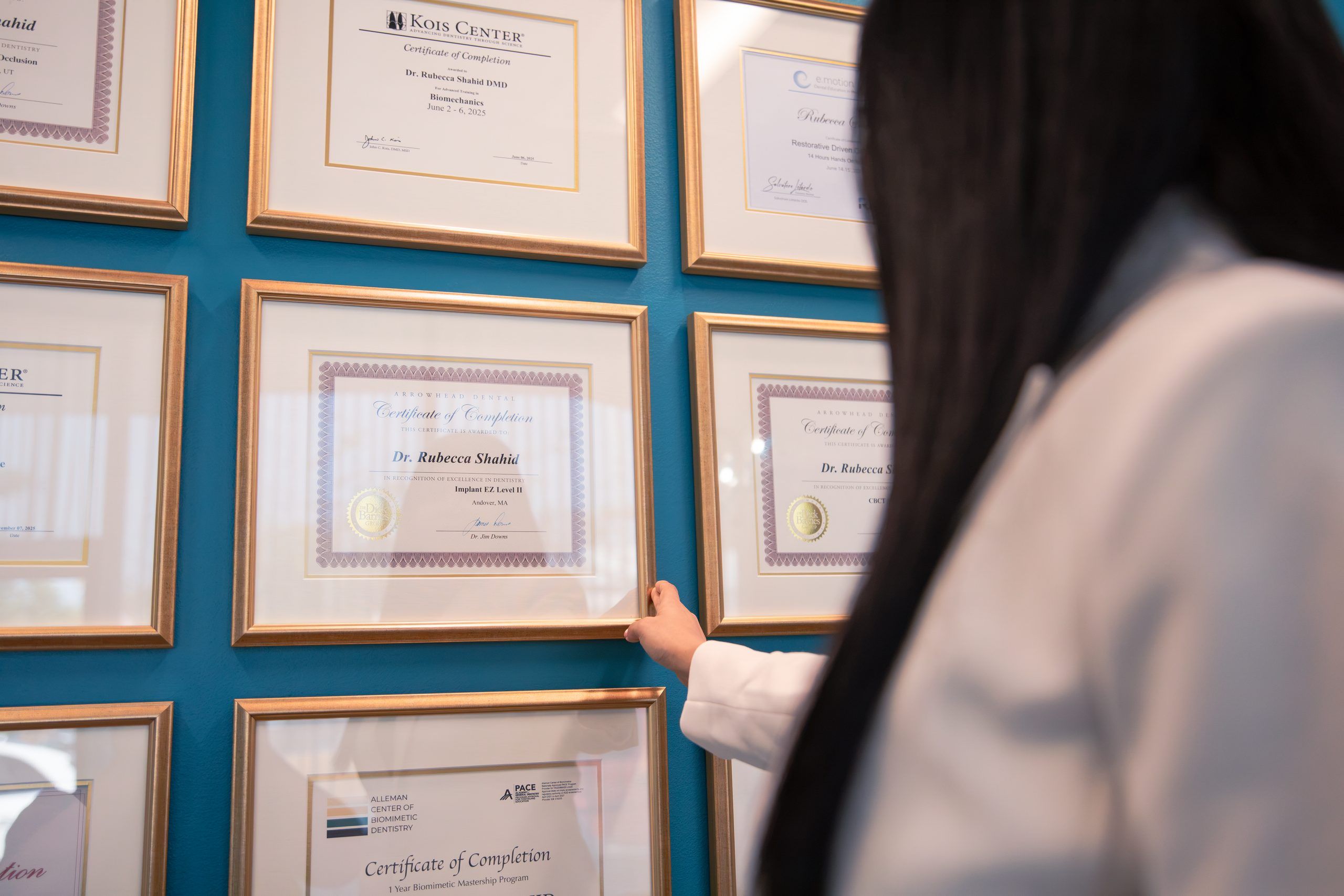
She champions your long-term health and has trained to deliver on it. A Kois Center graduate, one of about 1,200 dentists worldwide, she completes nearly eight times the continuing education Washington requires every year. Her training spans prevention, function and sleep, restoration and smile design, so one dentist who knows you can plan each stage, close to home.
- Advanced training in diagnosis, treatment planning and bite stabilization from the Kois Center
- Biomimetic Dentistry Practitioner with mastership from the Alleman Center
- Member of American Academy of Dental Sleep Medicine
- Member of American Academy of Cosmetic Dentistry
I came to longevity dentistry through my own health journey, wanting to understand why problems start and how to prevent them. What I needed then is what I want for you now: more good years, a smile you feel good about, and a dentist who listens.
Botox as part of a bigger plan
Botox eases symptoms. Lasting comfort comes from also treating what drives the clenching, and that's how we plan your care. Here are the specifics.

Bite and grinding checked first
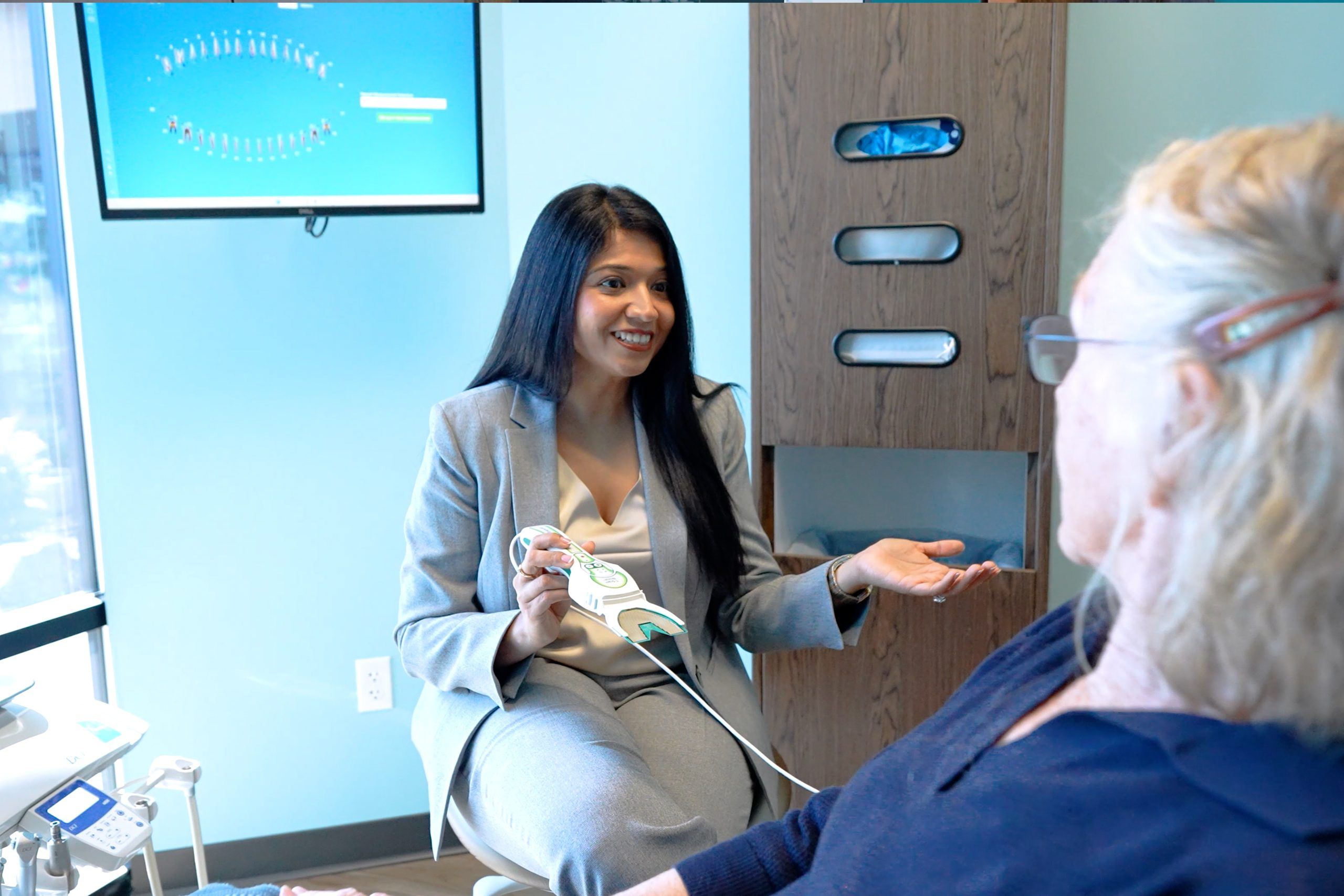
T-Scan digital bite analysis and a careful exam show whether your bite or grinding is fueling the tension.

Trained in jaw function
Dr. Shahid is trained in how the jaw, muscles and bite work together, so Botox is used where it helps most.

A conservative plan around it
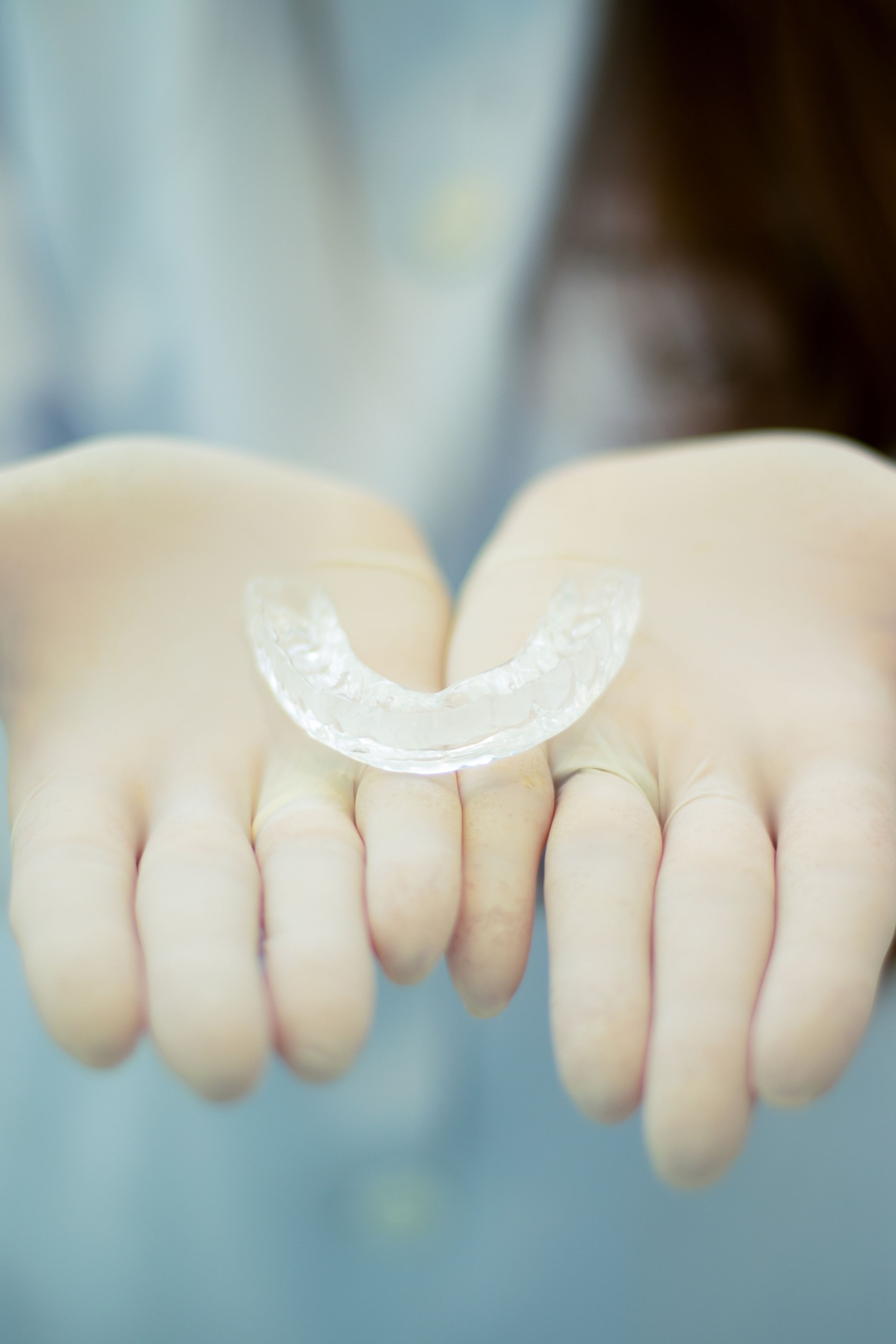
Botox sits alongside guards, bite care and home habits, so you're not relying on injections alone.

Quick and comfortable
Treatment takes a short visit, with little or no downtime afterward.
Hear it from our patients
Before you book, it helps to hear from people who have been in the chair. Read what patients say about their visits and treatment at SMILES ON 35th.
Read more reviewson Google (opens in a new tab)If you have anxiety about seeing a dentist, this is the place for you. I've been with this practice for three years and have had a great experience every time. The staff are really kind and patient with me and my anxiety, and they explain each procedure so there are no surprises. Just a great place for dental care. Thank you!
Botox for TMJ questions

It can. Botox relaxes overworked jaw muscles, which can ease clenching, jaw pain and tension headaches. It works best as part of a plan that also treats the bite and grinding.
Relief typically lasts about three to four months. Some people find they need treatment less often over time as the muscles settle.
Botox has a long safety record when given in small doses by a trained provider. Its use for jaw clenching is considered off-label. Side effects are usually mild, such as brief tenderness, and we review your health history first.
The cost depends on how much treatment your muscles need, so we set it after your evaluation. You'll know the cost before treatment begins.
Usually not noticeably. In some people, relaxing a large jaw muscle softens the jawline slightly over time. Your expression and smile stay the same.
Reviewed by Dr. Rubecca Shahid Updated
Care that works alongside Botox
Lasting jaw comfort often combines more than one approach. These pages explain the care we pair with Botox for TMJ, and when each one helps.