Biomimetic Dentistry That Keeps More of Your Tooth
Told you need a crown, or worried about a root canal? Biomimetic dentistry in Seattle at SMILES ON 35th repairs a damaged tooth by removing only what's decayed or cracked, then bonding to the healthy tooth that remains. Dr. Rubecca Shahid helps you keep more of your natural tooth for decades.
When every repair takes a little more tooth
Each traditional repair removes more natural tooth, which makes the next repair more likely.
Maybe a small filling became a larger one, then someone said the tooth needs a crown. Or a crack has you bracing for a root canal. It can feel like a slow slide toward losing the tooth.
Biomimetic dentistry starts with a different question: how much of this tooth can we keep? We remove only the damaged tooth, bond the restoration to the healthy structure underneath, and build it to flex and handle chewing forces the way a natural tooth does. Keeping that structure lowers the chance of cracks and future root canals, and often avoids a full crown altogether. Every filling and crown we place is biomimetic, so this approach guides the care of every damaged tooth.
See what your first visit includes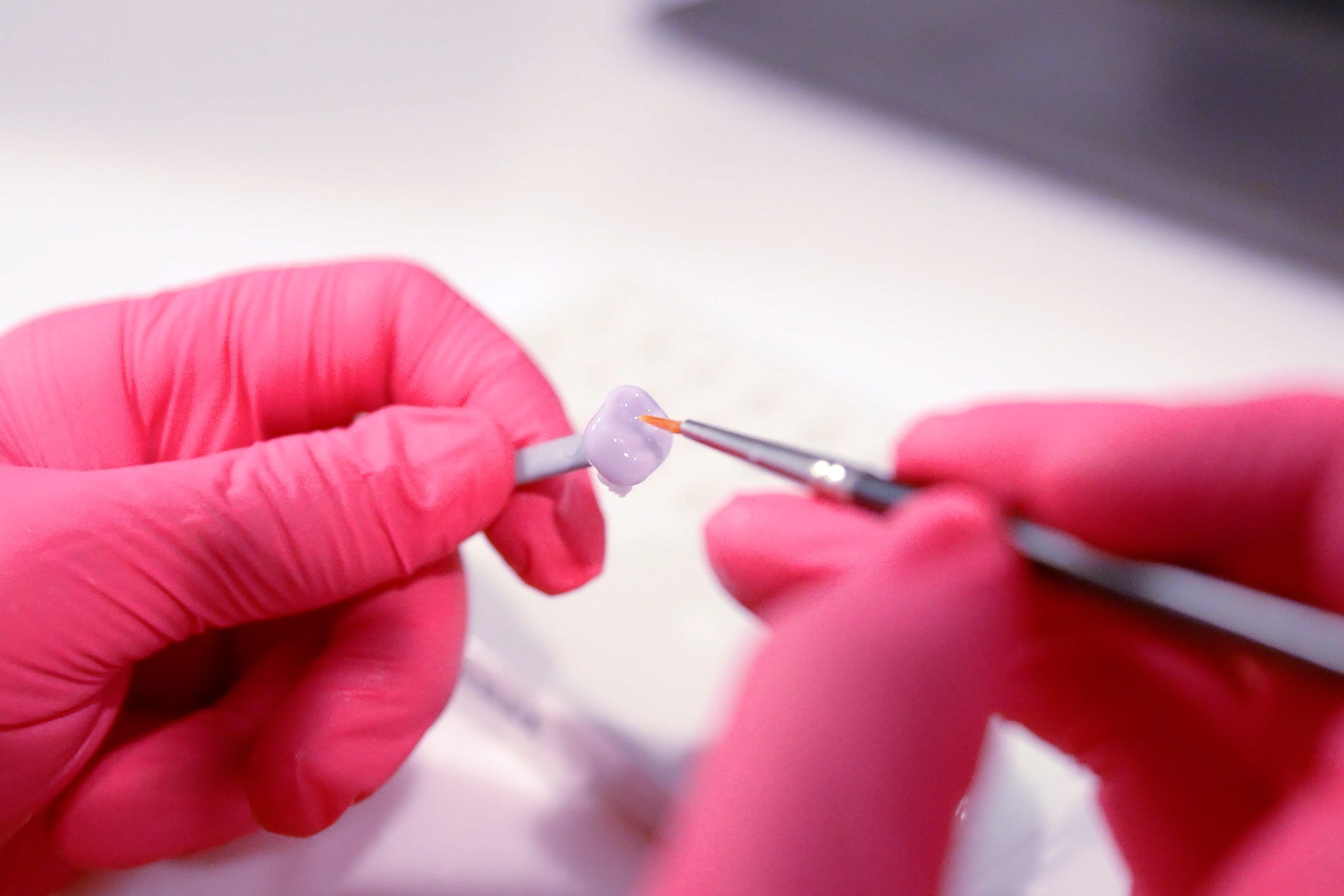
Why keeping more tooth matters
The more natural tooth a repair preserves, the more options that tooth keeps for the decades ahead. Here's what that means for you.
We remove decay and weakened tooth, not the sound enamel and dentin around it. The restoration bonds to what remains instead of relying on healthy tooth being cut away.
Bonded restorations, reinforced with fibers and built from biocompatible ceramics and composite, are designed to handle bite stress the way a natural tooth does, so the tooth is less likely to crack under pressure.
Fewer than 1% of teeth Dr. Shahid treats this way go on to need a root canal, so one repair doesn't set off a chain of bigger ones.
Tooth-colored, metal-free materials such as composite resin and ceramic blend in and feel natural when you bite.
When a tooth needs more than a filling, a biomimetic crown covers only the weakened part, so healthy tooth stays in place instead of being cut down for a full crown.
The materials and methods behind a stronger repair
Biomimetic dentistry depends on the right materials and a careful technique. Each one helps the restoration bond strongly and behave like natural tooth.


Biocompatible ceramics
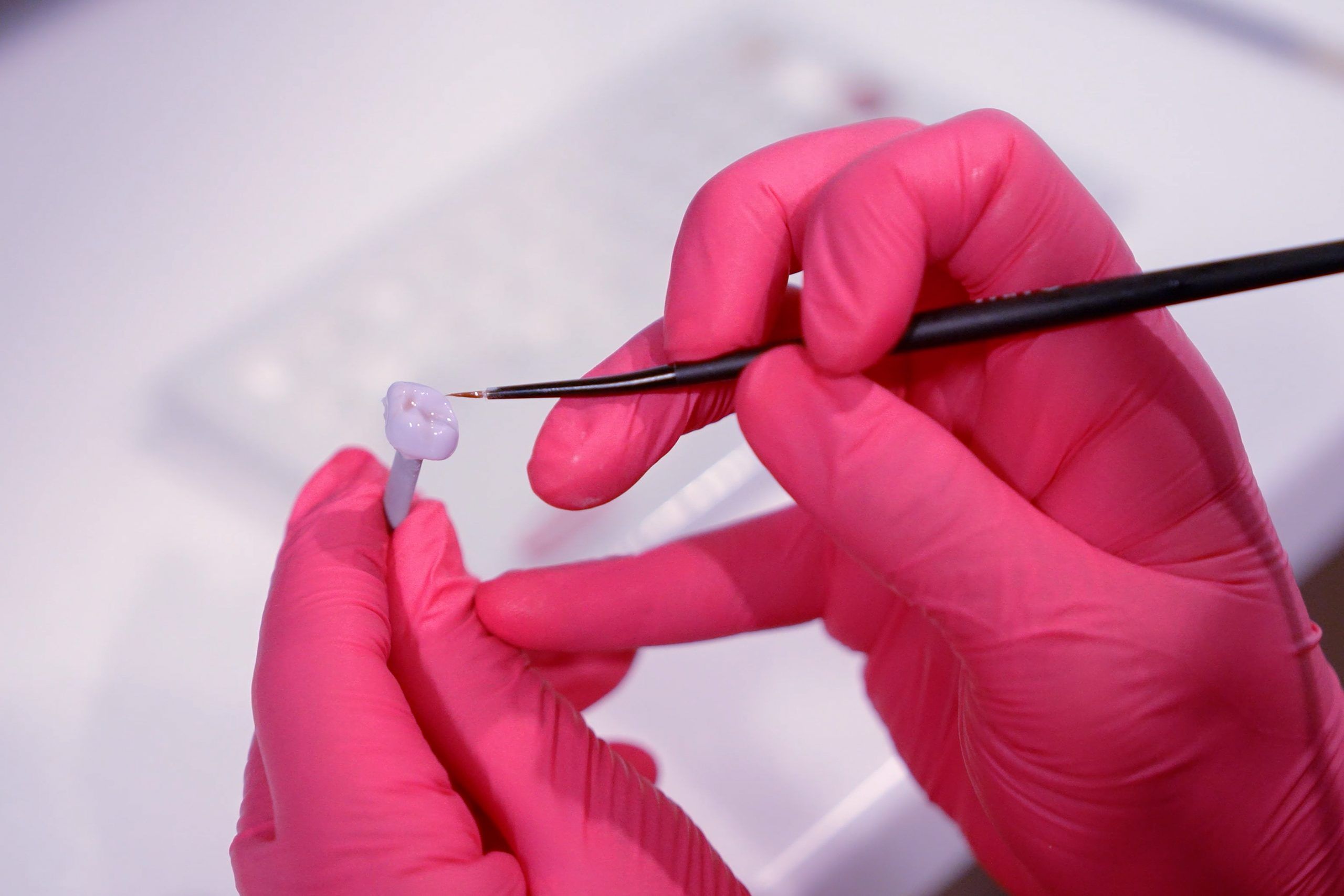
Ceramics and composite resin are metal-free, tooth-colored and wear much like enamel, so the repair looks and feels natural and is gentle on the teeth it meets.


Fiber reinforcement
Ribbond, a thin woven fiber placed inside the restoration, works like the natural fibers in your tooth, absorbing stress and stopping cracks from spreading.


A clean, dry field
Isolite keeps the tooth isolated and dry and holds your mouth comfortably open. A dry tooth creates a much stronger, longer-lasting bond.


Built in layers
Layering the restoration in stages reduces stress on the tooth as it sets, so the bond stays strong and the tooth stays comfortable.
Who biomimetic dentistry helps
It suits you if you've been told you need a crown or root canal and want a repair that keeps more of your tooth, or if you have a cracked tooth, a deep cavity or an old filling that's failing.
Because biomimetic dentistry keeps healthy tooth and bonds to it, it's a strong, conservative choice for most damaged teeth. Your exam and 3D imaging show exactly how much of your tooth can be saved.
Book your comprehensive exam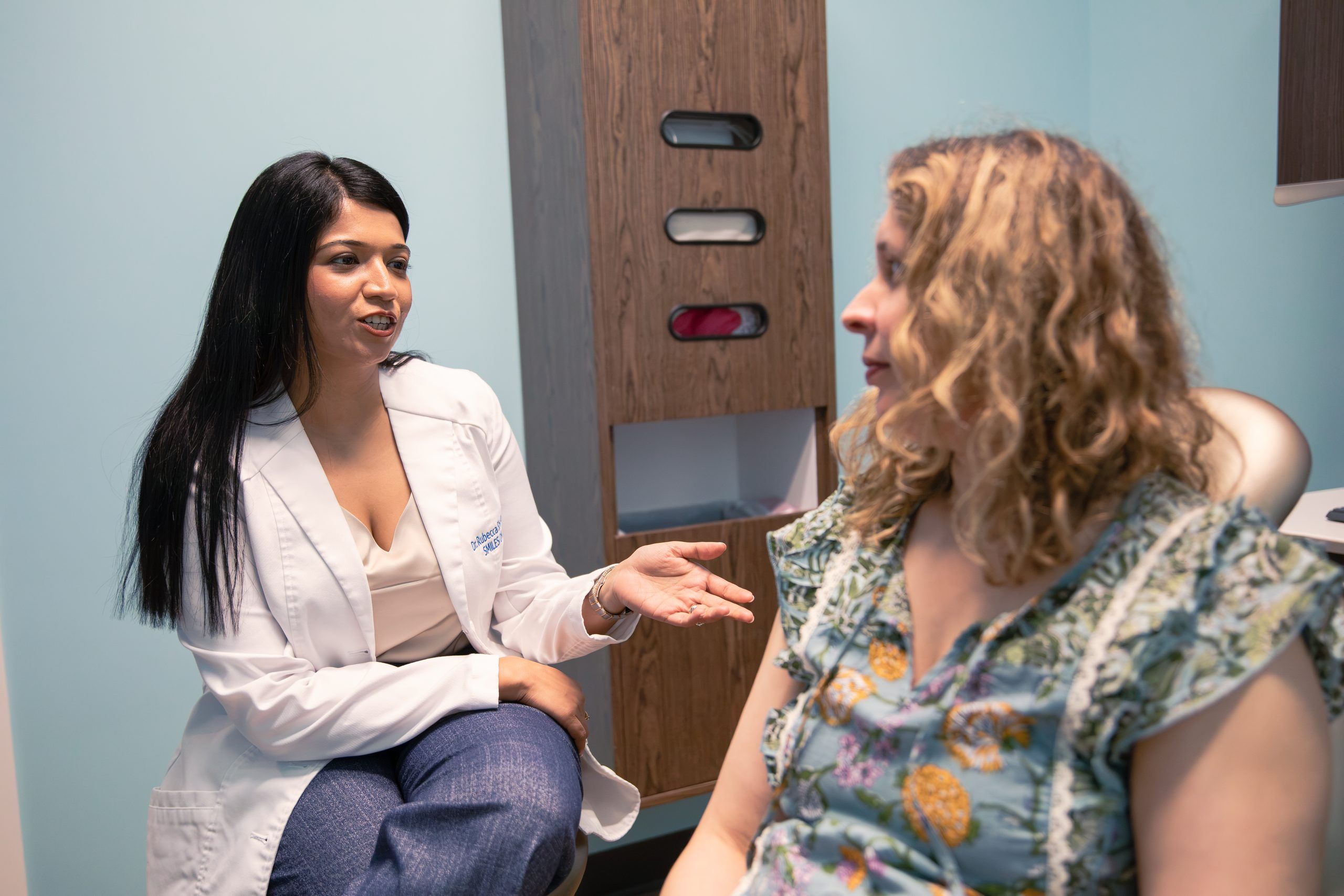

From first exam to finished repair
Exam and 3D imaging
We examine the tooth with digital X-rays, a 3D scan and, when needed, a 3D view of the roots and bone, to see every crack.
See it on screen
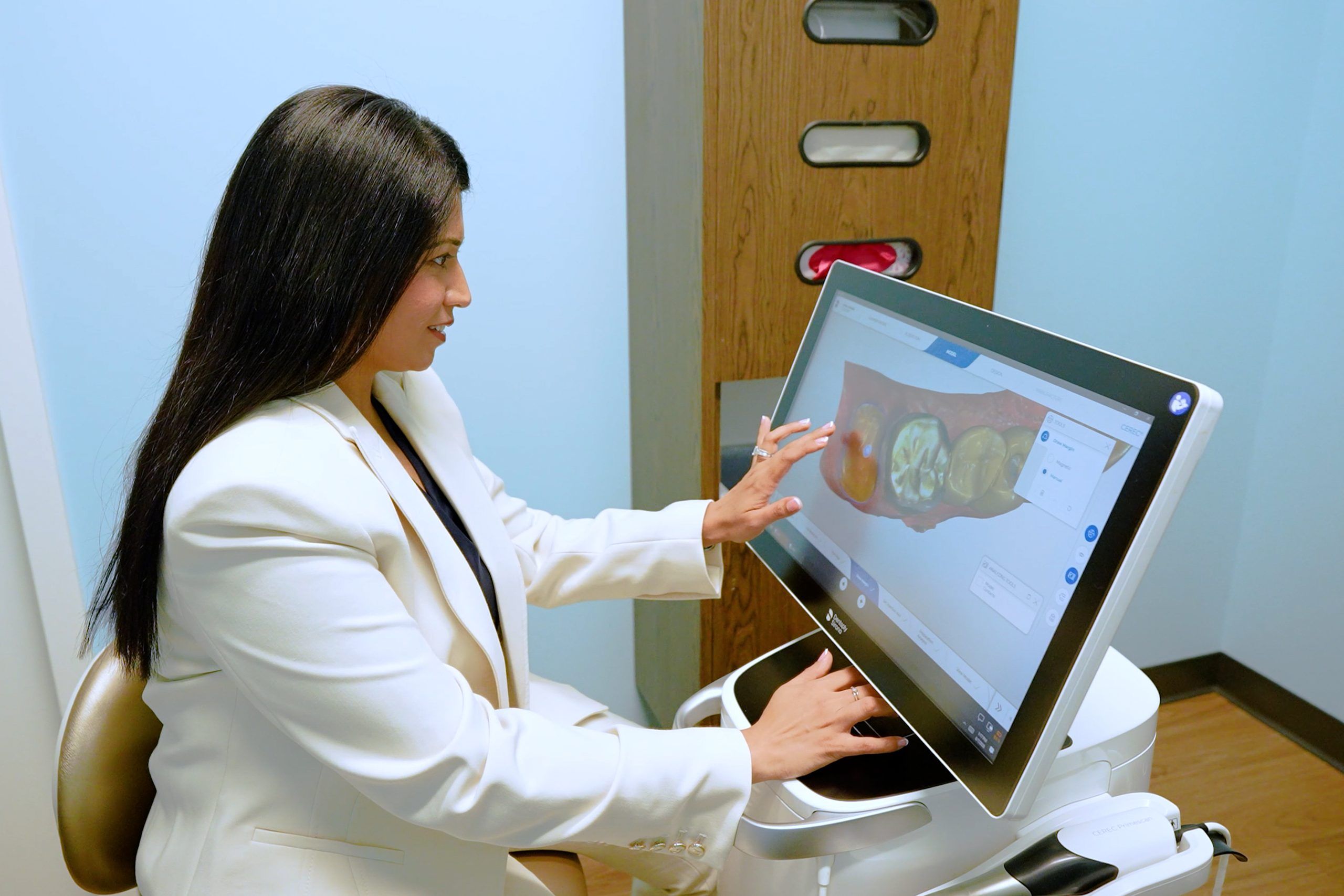
Dr. Shahid shows you the crack, decay or failing filling and explains why the tooth broke down.
A conservative treatment plan
You see the most conservative option that will last, its tradeoffs and its cost before anything begins.
Restore and follow up
We bond the restoration in place with fiber reinforcement and layered materials, then check it and address causes such as grinding at follow-up visits.
A gentle dentist who champions your lifelong health
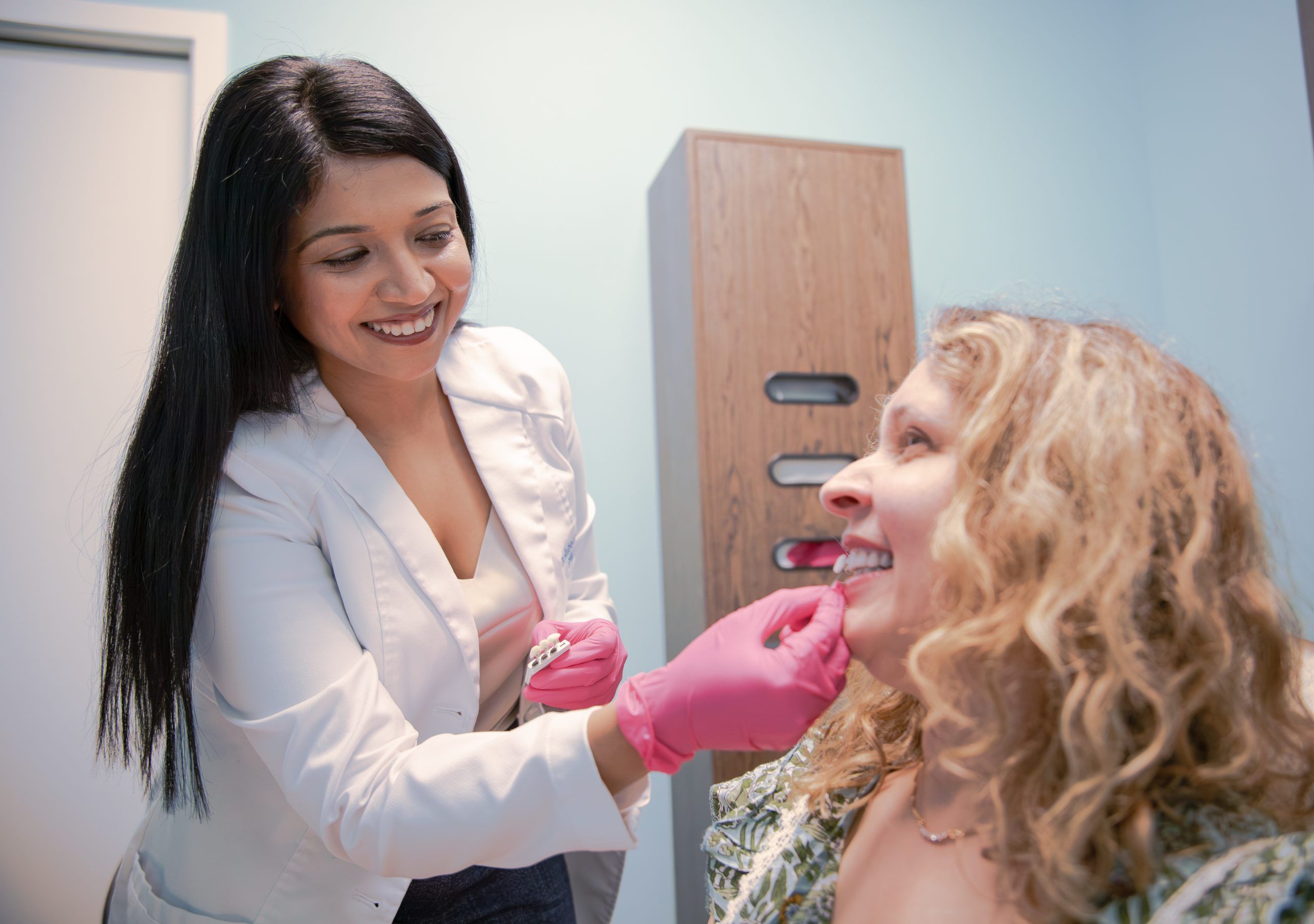
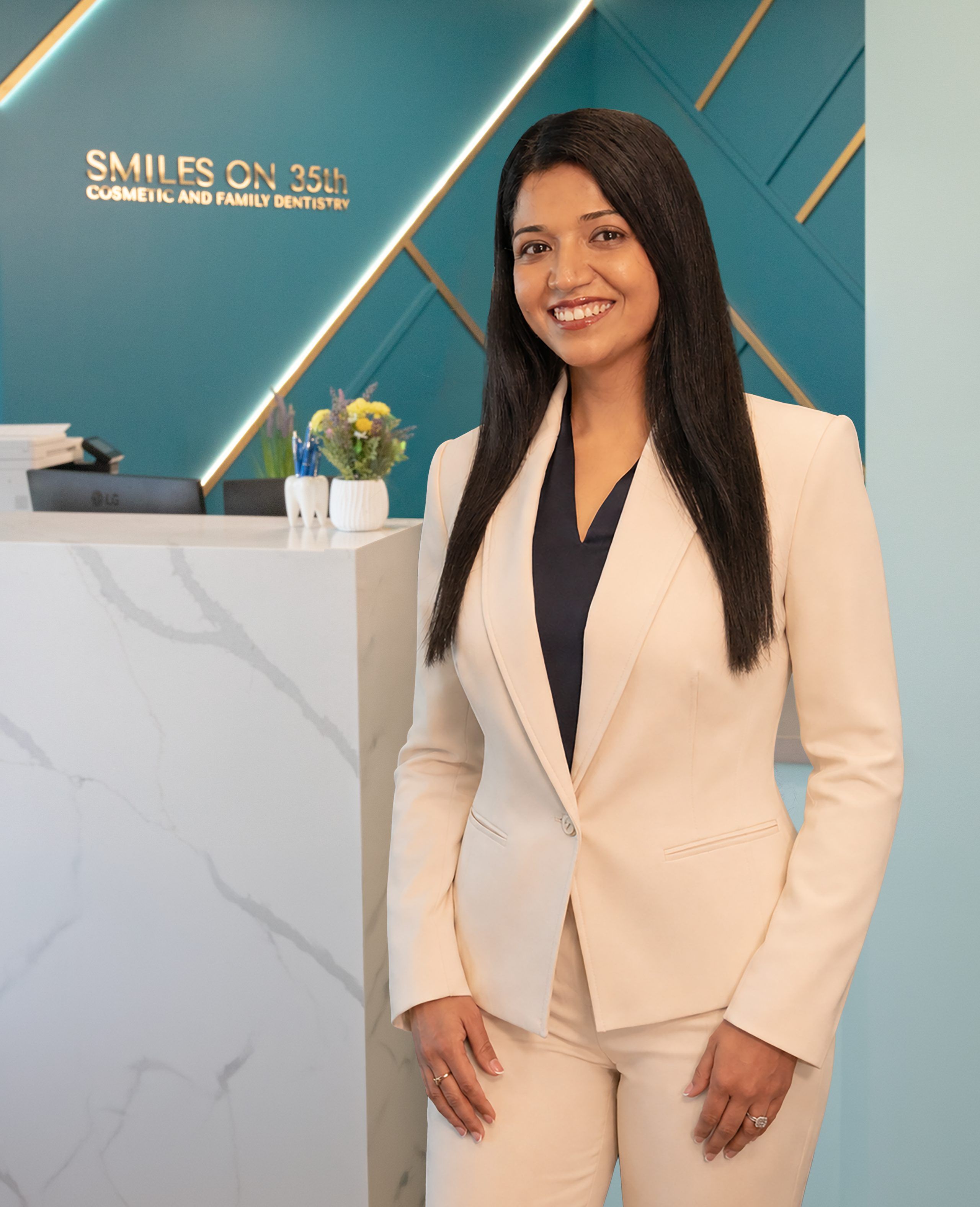
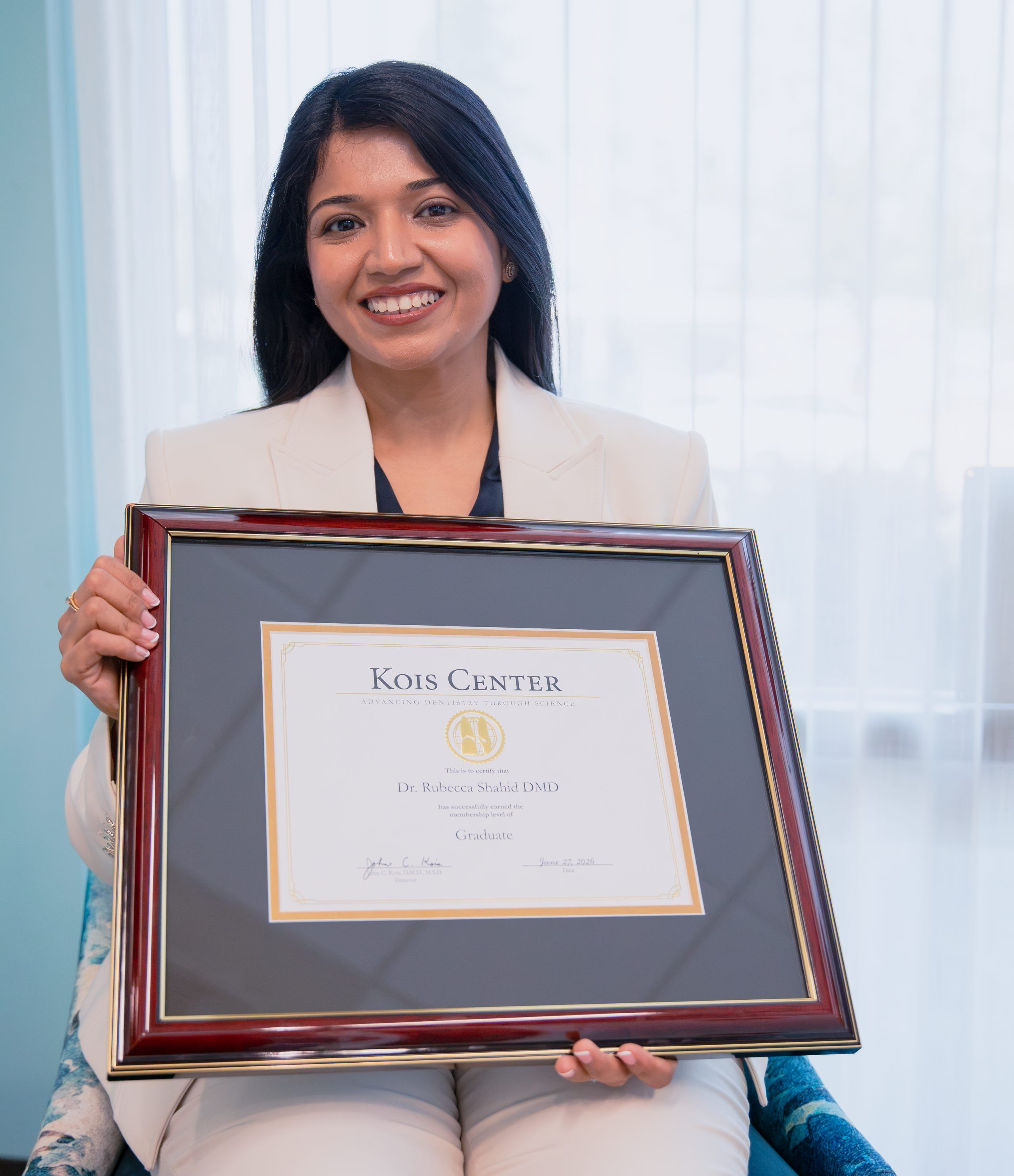
Dr. Rubecca Shahid owns SMILES ON 35th in Wedgwood and leads your care herself, gently and with time to listen. Her own health struggles, then her mother's diagnosis, left her asking what the point of all our hard work is without the health to enjoy it. Longevity dentistry is her answer: care that protects your mouth and your health, so you can enjoy the life you're building.
Her care is conservative: she saves natural tooth wherever she can, chooses the least invasive option that will last, and recommends only treatment that truly helps you. When a tooth needs more, she shows you why. She is empathetic and thorough, with clear choices and no pressure.
She champions your long-term health and has trained to deliver on it. A Kois Center graduate, one of about 1,200 dentists worldwide, she completes nearly eight times the continuing education Washington requires every year. Her training spans prevention, function and sleep, restoration and smile design, so one dentist who knows you can plan each stage, close to home.
- Advanced training in diagnosis, treatment planning and bite stabilization from the Kois Center
- Biomimetic Dentistry Practitioner with mastership from the Alleman Center
- Member of American Academy of Dental Sleep Medicine
- Member of American Academy of Cosmetic Dentistry
I came to longevity dentistry through my own health journey, wanting to understand why problems start and how to prevent them. What I needed then is what I want for you now: more good years, a smile you feel good about, and a dentist who listens.
The training behind each biomimetic repair
A conservative repair depends on finding exactly what is damaged and rebuilding it with care. These are the specifics behind ours.

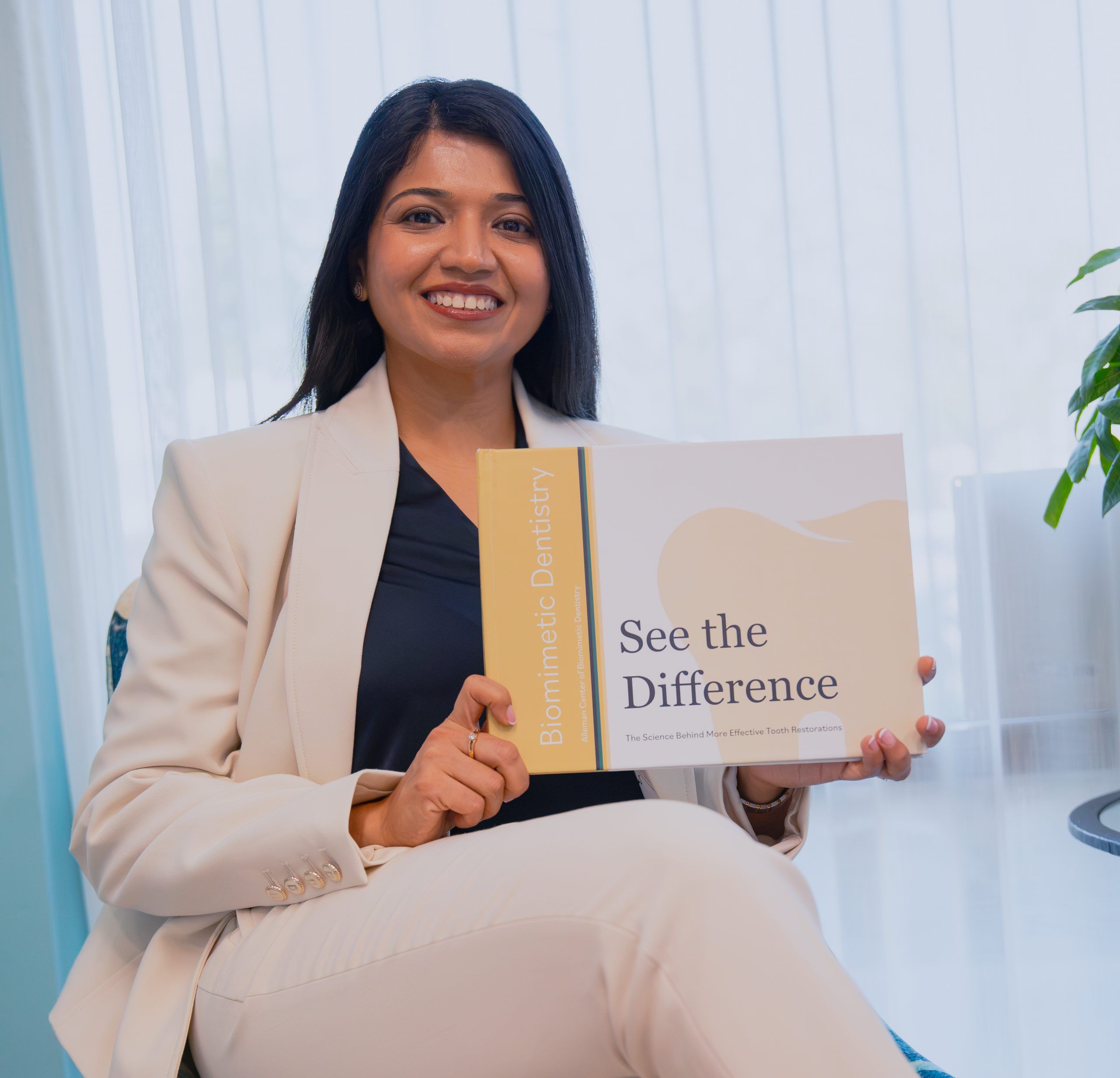
Mastership in biomimetic dentistry
Dr. Shahid holds a Mastership in biomimetic dentistry from the Alleman Center, so every repair is planned to keep as much tooth as possible.

Fewer than 1% need a root canal
Fewer than 1% of teeth she treats with biomimetic dentistry go on to need a root canal.

Same-day biomimetic crowns
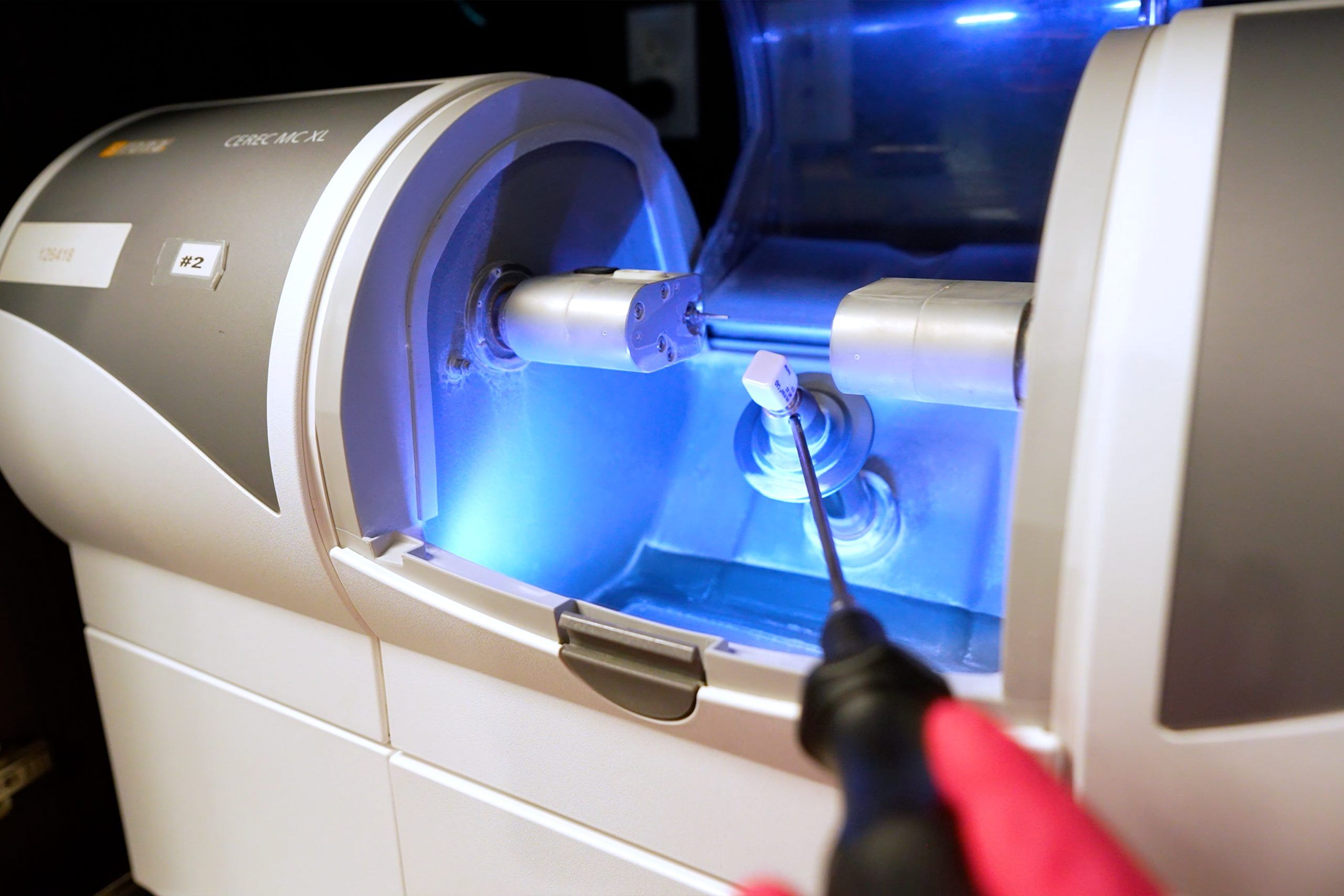
In-office CEREC means many biomimetic crowns are designed, milled and bonded in one visit.

Cracks you can see
A 3D scan shows cracks and wear on screen, and in-office CBCT imaging shows roots and bone a standard X-ray can't.
Hear it from our patients
Before you book, it helps to hear from people who have been in the chair. Read what patients say about their visits and treatment at SMILES ON 35th.
Read more reviewson Google (opens in a new tab)I really appreciate Dr. Rubecca Shahid's technical skill and her love for teeth. I had multiple cavities filled using the biomimetic approach Dr. Shahid specializes in, and I'm so grateful she and her team could save my teeth, even after I'd given up on them because trauma had kept me away from the dentist. Thank you so much!
Biomimetic dentistry questions
Biomimetic dentistry is a conservative way to repair teeth that removes only damaged tooth and bonds the restoration to the healthy structure that remains. It's designed to handle chewing forces the way a natural tooth does, with the goal of fewer cracks and fewer future root canals.
Often, yes, when enough healthy tooth remains. A traditional crown covers the whole tooth, which means shaping away healthy tooth. A biomimetic repair or biomimetic crown covers only what needs it, so more natural tooth stays.
We use biocompatible ceramics and composite resin, reinforced with Ribbond fibers that absorb stress like the natural fibers in a tooth. Isolite keeps the tooth dry during bonding, which makes the bond stronger and the restoration last longer.
In many cases, yes. Fewer than 1% of teeth Dr. Shahid treats with biomimetic dentistry go on to need a root canal. If a tooth already has an infected nerve, though, it needs treatment for that first.
Cost depends on the size of the repair and the material your tooth needs, so it's set after your exam. You see the cost of each option before treatment begins, we help you make the most of your dental insurance benefits, and financing through Cherry is available.
No dentist can promise a set number of years for any restoration. How long one lasts depends on how much healthy tooth remains, your bite, grinding, decay risk and home care, so we check those causes before restoring and at regular visits.
Most people feel little more than pressure. We numb the tooth before we begin, and oral sedation is available if dental work makes you anxious.

Reviewed by Dr. Rubecca Shahid Updated
Other ways to protect your teeth
Comparing ways to repair a tooth, or want it done in a single visit? Start with these pages to see every option.