
Haven't Been to the Dentist in Years? You're Welcome Here
Haven't been to the dentist in years? Longevity-focused care in Seattle, with no judgment, gentle comfort, and a clear plan. See what to expect.
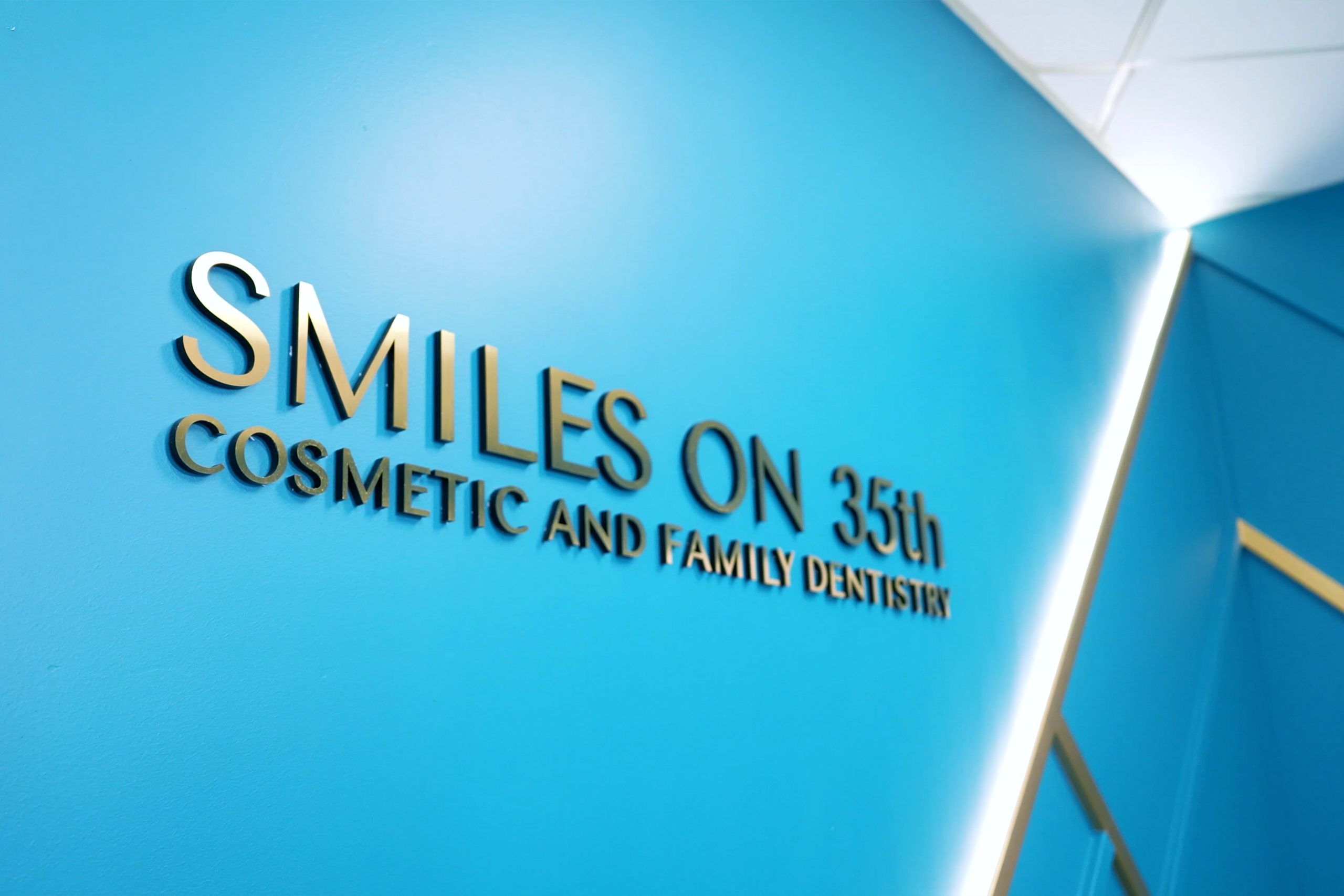
If you haven’t been to the dentist in years, you are welcome at SMILES ON 35th in Seattle, exactly as you are. Your first visit is a conversation and a complete exam, not a lecture. Dr. Rubecca Shahid looks at where your mouth stands today, takes care of anything urgent first, and builds a plan you understand and can take one step at a time. You see what care costs before it begins.
Long gaps rarely start as a decision. A move, a new job, a bad experience, or a change in insurance pushes one checkup back, and the years add up. The longer it has been, the harder that first call can feel. Here is what actually happens when you come back.
Will the dentist judge me for not coming sooner?
No. At SMILES ON 35th, a long gap is simply where your care begins. No judgment, no pressure. Years away, a treatment plan you never finished, and dental anxiety are all fine to talk about, and none of them changes how you are treated.
You are also in good company. About 1 in 3 US adults had no dental visit in 2019, according to the CDC’s National Center for Health Statistics. In a 2025 nationally representative survey published in The Journal of the American Dental Association, about 73% of US adults reported some fear of going to the dentist, and about 27% described that fear as severe.
Feeling embarrassed to go to the dentist is common, and what helps most is being heard. Appointments here are unhurried, so there is time to tell Dr. Shahid what kept you away, what worries you now, and what you want from your care. SMILES ON 35th is independent and woman-owned, with no corporate production quotas, so every recommendation answers to what your exam finds.
What to expect at the dentist after years away
Your first visit is a conversation followed by a complete exam, and nothing is recommended until both are done. A new patient visit typically takes about 90 minutes, which leaves room for your questions.
- Your history and goals. You share your health history, medications, past dental work, and what you would like to change.
- Imaging. Quick, low-radiation digital X-rays show decay between teeth and bone loss that can’t be seen in a mirror. A 3D scan puts your teeth on screen in detail.
- A comprehensive exam. This goes well beyond a check for cavities. Dr. Shahid examines your teeth, gums, bite, jaw joints, and airway, and assesses your risk of future problems.
- A look together. Dr. Shahid shows you what she found on screen, explains what matters most, and gives you clear choices with the reasoning behind each one.
Most new patients have their cleaning at the same visit. If there are signs of gum disease, the cleaning is planned around the care your gums need first. You can read more about what your first visit includes.
Dr. Shahid is a Kois Center graduate, trained in comprehensive diagnosis, risk assessment, and treatment planning. For you, that means a plan drawn from the whole picture of your mouth, so you understand how each finding connects to the next.
What might the exam find after a long gap?
Most people find a mix of things that built up quietly, and most of them are treatable. After several years, an exam may show tartar (hardened plaque) on the teeth, inflamed or bleeding gums, new cavities, or older fillings and crowns that have worn or cracked.
Gum disease deserves particular attention because it is common and often painless. About 4 in 10 US adults aged 30 and older had some level of periodontitis in national survey data from 2009 to 2014, and the CDC notes that gum disease can become serious before you notice symptoms.
When tartar has built up below the gumline, a regular cleaning can’t reach it. The treatment is scaling and root planing: a deep cleaning below the gumline that clears tartar and bacteria from around the roots so the gums can heal. At SMILES ON 35th, gum disease treatment is built from your own results, and a deep cleaning is done with numbing for comfort.
Finding these things now, while many are still small, gives you more ways to keep your natural teeth. That is the quiet advantage of coming in before something hurts: catching risk before it becomes damage.
Will I need everything done at once?
No. Your care follows a phased treatment plan, which divides treatment into stages and orders them by what your health needs most. You need only the stages your exam calls for:
- Urgent care. Pain, infection, or a broken tooth comes first, so you feel better quickly.
- A healthy foundation. Gum disease, inflammation, and active decay are brought under control.
- Protect and repair. Damaged teeth are repaired conservatively, saving as much natural tooth as possible, and grinding or bite problems that break teeth are addressed.
- Restore and enhance. Missing teeth can be replaced, and the smile you want can be designed on a healthy, stable foundation so the result lasts.
Dr. Shahid explains why each step sits where it does, and you decide the pace. Because the plan is built around your goals and you understand the reasoning, you can move forward with confidence in your decisions.
If you are in pain right now, there is no need to wait for a routine opening. SMILES ON 35th keeps same-day emergency appointments open for urgent problems.
Will it hurt after years without care?
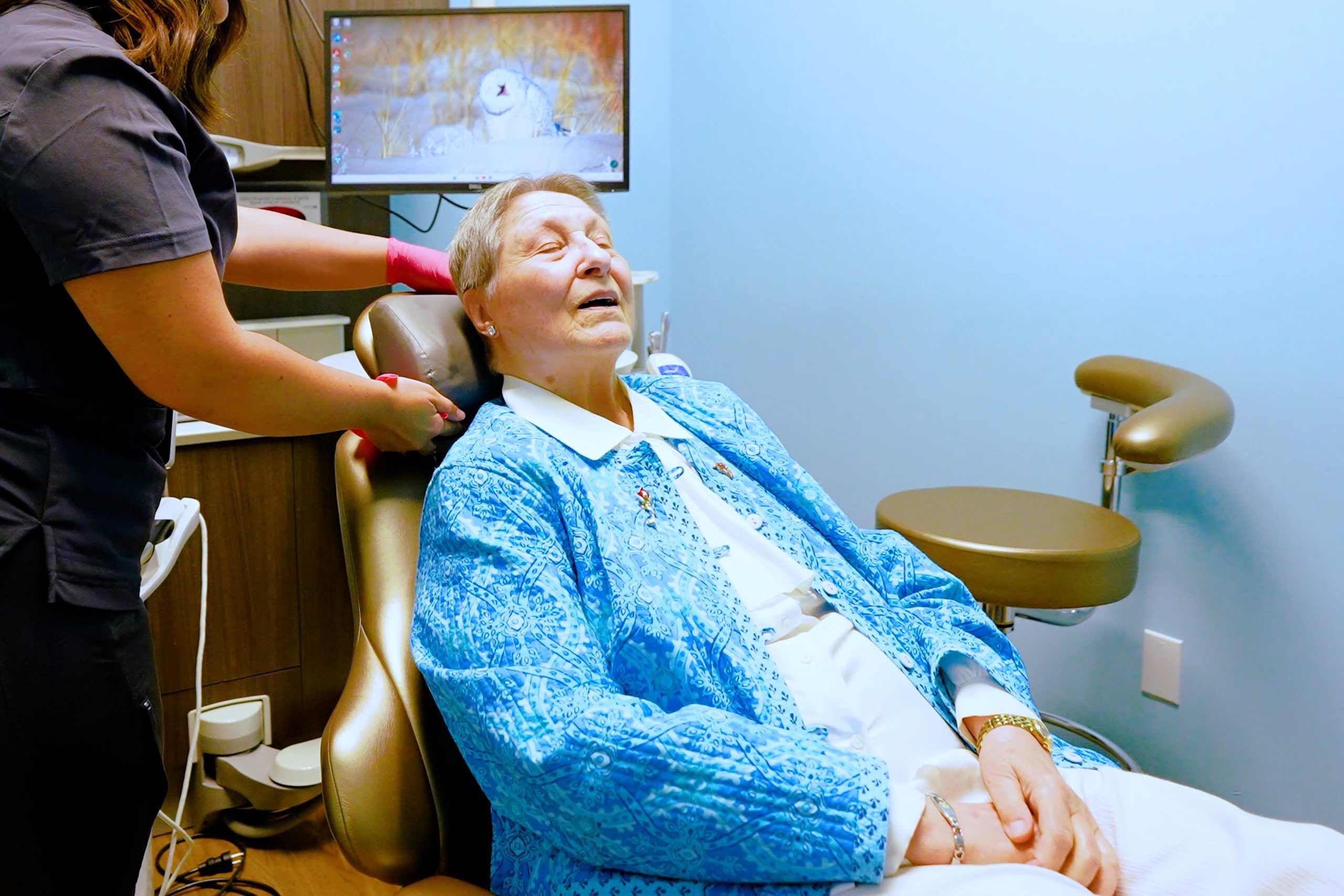
Care is designed to be comfortable, and you stay in control. The exam and imaging are gentle. When treatment is needed, we numb the area first, so most people feel pressure rather than pain. Dr. Shahid explains each step before she starts, and you can ask to pause at any time.
If dental anxiety is what kept you away, oral sedation is available. It is a medication you take by mouth that helps you feel calm and relaxed throughout your visit, and Dr. Shahid will talk through whether it suits you. Let us know when you book, so the team can plan for it.
Comfort here is intentional. Treatment rooms are private, with natural light, calming music, headphones, and dental chairs with built-in massage. Every treatment room also offers a complimentary comfort menu, including weighted blankets, heated neck wraps, and gold under-eye masks. Small things, but they change how an hour in the chair feels.
How much will it cost to get back on track?
The cost depends on what your exam finds, and you see it before any treatment begins. Pricing at SMILES ON 35th is transparent and specific to your plan, so nothing arrives as a surprise. Because care is phased, you can also space the stages over time.
Several options make care easier to fit into your budget:
- Dental financing spreads the cost of treatment into manageable monthly payments.
- An in-house membership plan helps if you don’t have dental insurance, with preventive care included.
- Insurance help. If you have dental insurance, our team helps you make the most of your benefits.
You can compare payment and financing options, or call us with any question about cost or coverage.
Coming back starts with one visit
The hardest part is usually booking the first appointment. After that, the path is clear: a conversation, a complete exam, urgent problems first, a plan you set the pace for, and costs you see in advance. From there, regular visits help you stay ahead of problems, with care planned to protect your health for decades.
However long it has been, start with the new patient experience, then book your first visit online or give us a call. Tell us it has been a while, and we’ll take it from there.
Questions about coming back to the dentist
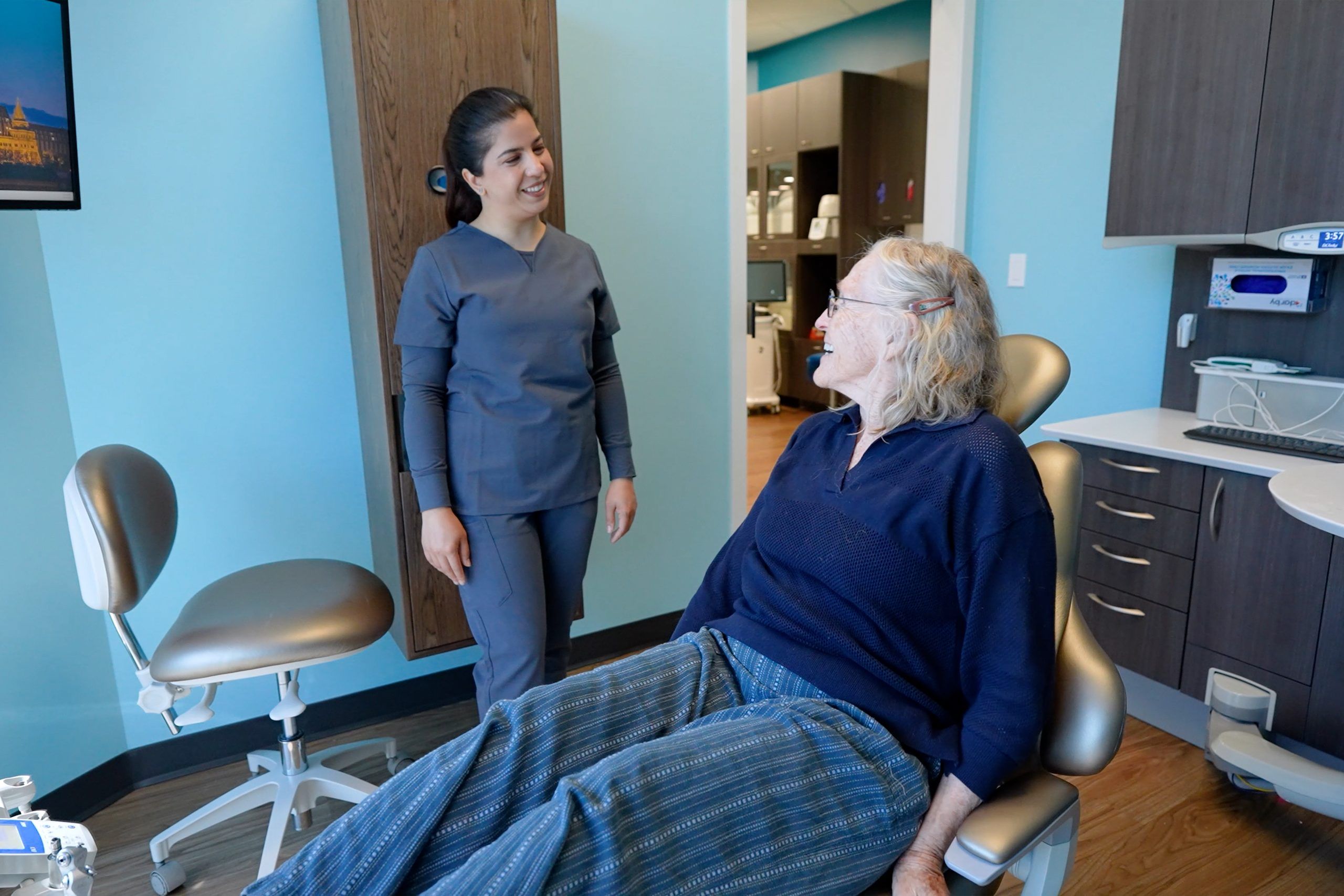
Yes, and there is no wrong answer. Knowing it has been a while, or that dental visits make you anxious, helps our team plan your first visit around you.
It also means comfort can be part of the plan from the start. Oral sedation is available at SMILES ON 35th, and Dr. Rubecca Shahid will talk through whether it suits you.
Yes. Unfinished treatment plans are common, and at SMILES ON 35th they are fine to talk about.
Dr. Rubecca Shahid completes her own exam, shows you what she finds, and explains how it compares with what you were told before. You decide what happens next with the full picture in front of you.
Not necessarily, and an exam is the only way to know.
Care at SMILES ON 35th is conservative: Dr. Rubecca Shahid removes only what is damaged and keeps as much natural tooth as she can. Your exam shows which teeth can be repaired and, if any cannot, how they can be replaced.
About the author
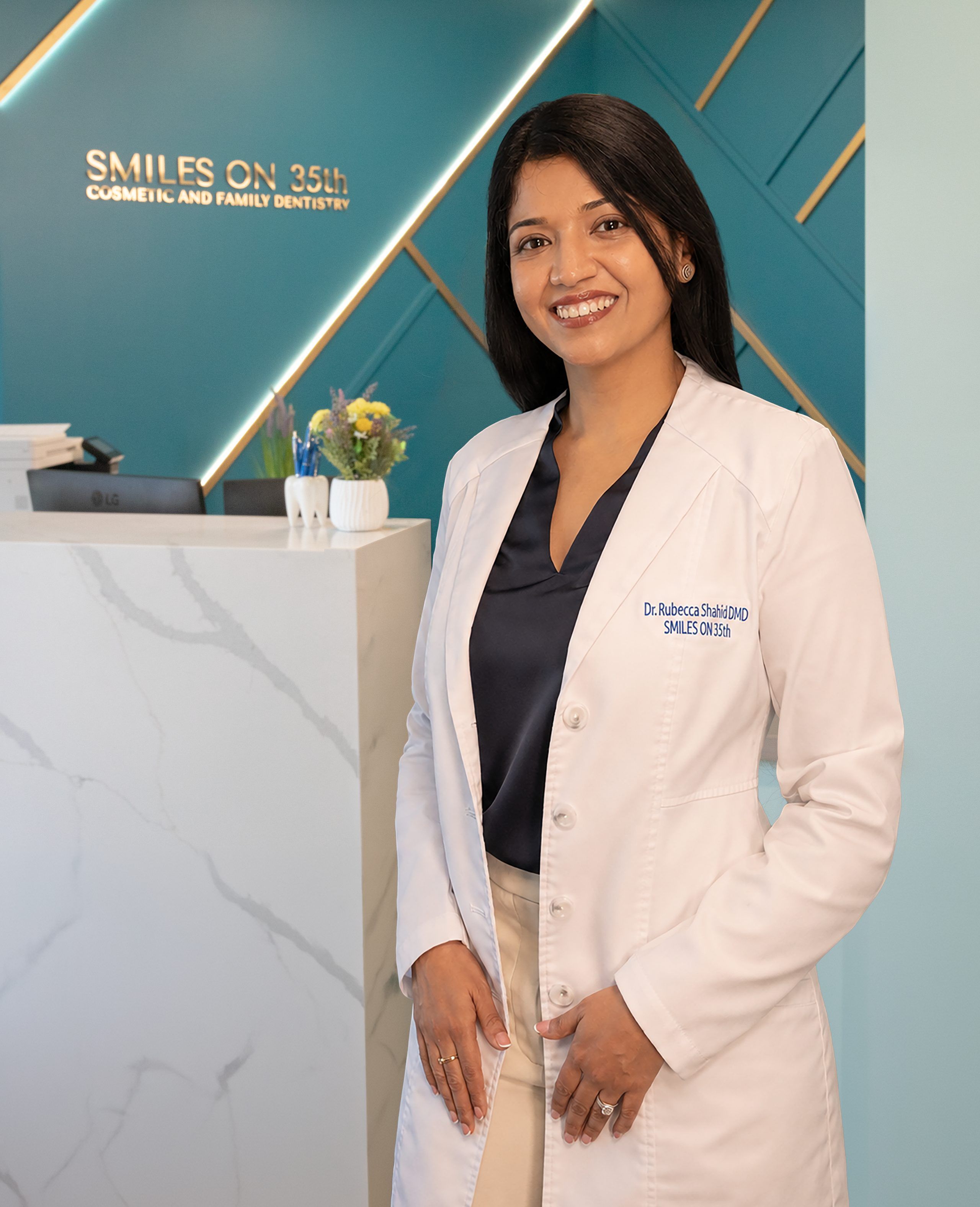
Dr. Rubecca Shahid, DMD
Dentist
Dr. Shahid practices longevity dentistry at SMILES ON 35th, her independent, woman-owned practice in Seattle where every plan starts with a diagnosis of your teeth, gums, bite, and airway. A graduate of the University of Illinois at Chicago College of Dentistry and Seattle's Kois Center, she holds a Mastership in biomimetic dentistry from the Alleman Center and completes nearly eight times the continuing education Washington requires each year.
She is a member of the ADA, AGD, AACD, AADSM, WSDA, and Seattle Study Club, and writes these articles so you can understand what is happening in your mouth and make informed decisions for your long-term health.
Meet Dr. Shahid